
EP01. What keeps a neighborhood alive?
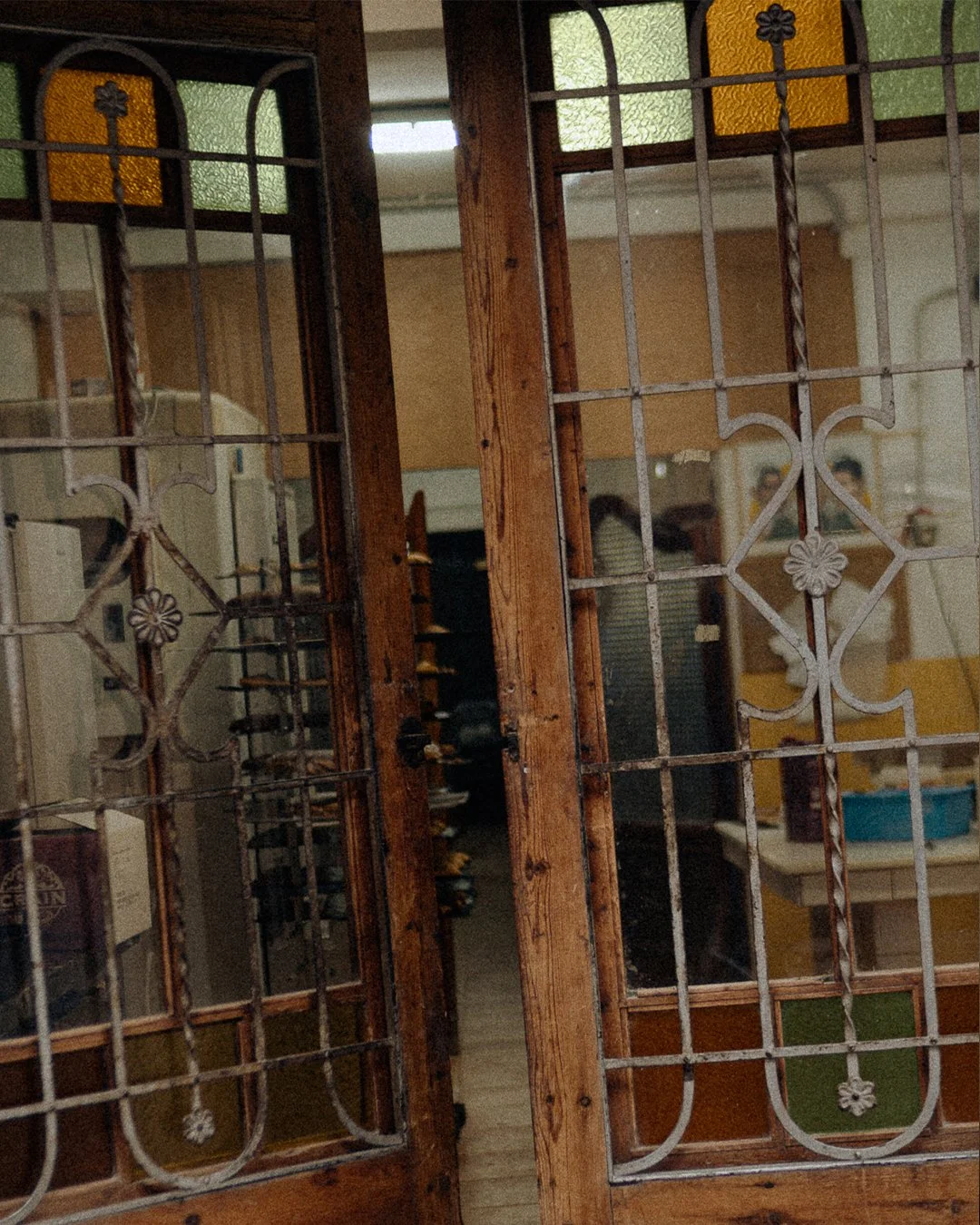
The other day I was walking far too early, on my way somewhere else, and I ended up turning into a street in Cabanyal almost without meaning to, And that’s when that thing I love happened: the neighborhood grabbed me by the arm. I passed behind a place and saw a half-open door—hidden, almost like a secret. I immediately noticed the details: the old wood, the wrought iron, the aged glass… those features that feel so typical of Cabanyal. I stopped. I just stood there looking. And I thought, very simply: “Okay. This has to be one of those neighborhood gems.”
So of course… I moved closer, trying to peek inside and understand what it was all about.
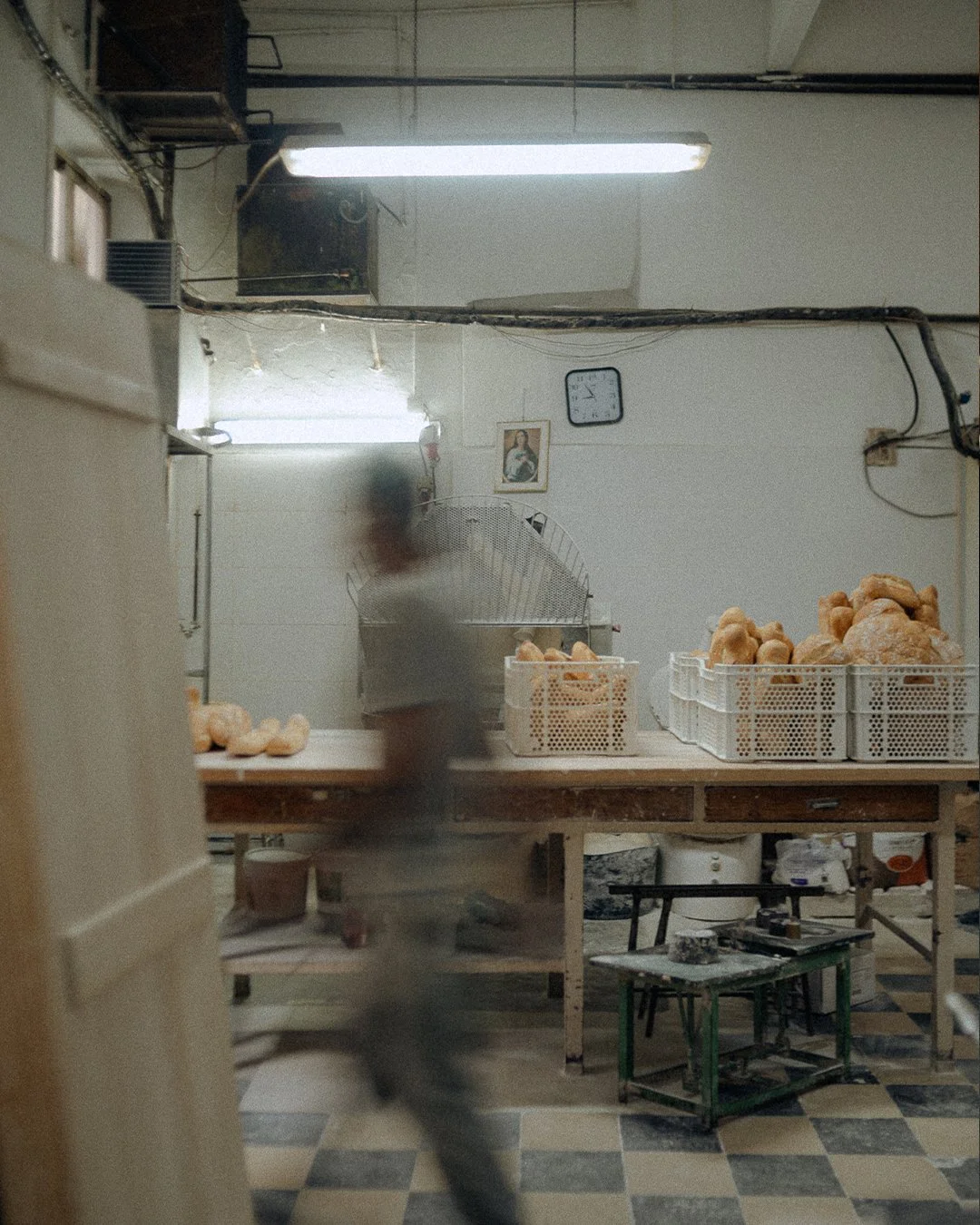
The best part is that, at that exact moment, a worker stepped out, saw me with the camera, and greeted me with a warm, easy smile. I’ll admit, it surprised me—it was very early (haha). But that’s the thing: very “neighborhood” moments. Quick, human, without any awkwardness. So I did what felt right—because I loved that surprise. I stepped in gently: leaned my head inside, asked if I could come in, and introduced myself right away. I asked for permission to learn a bit more about them and to photograph the space.
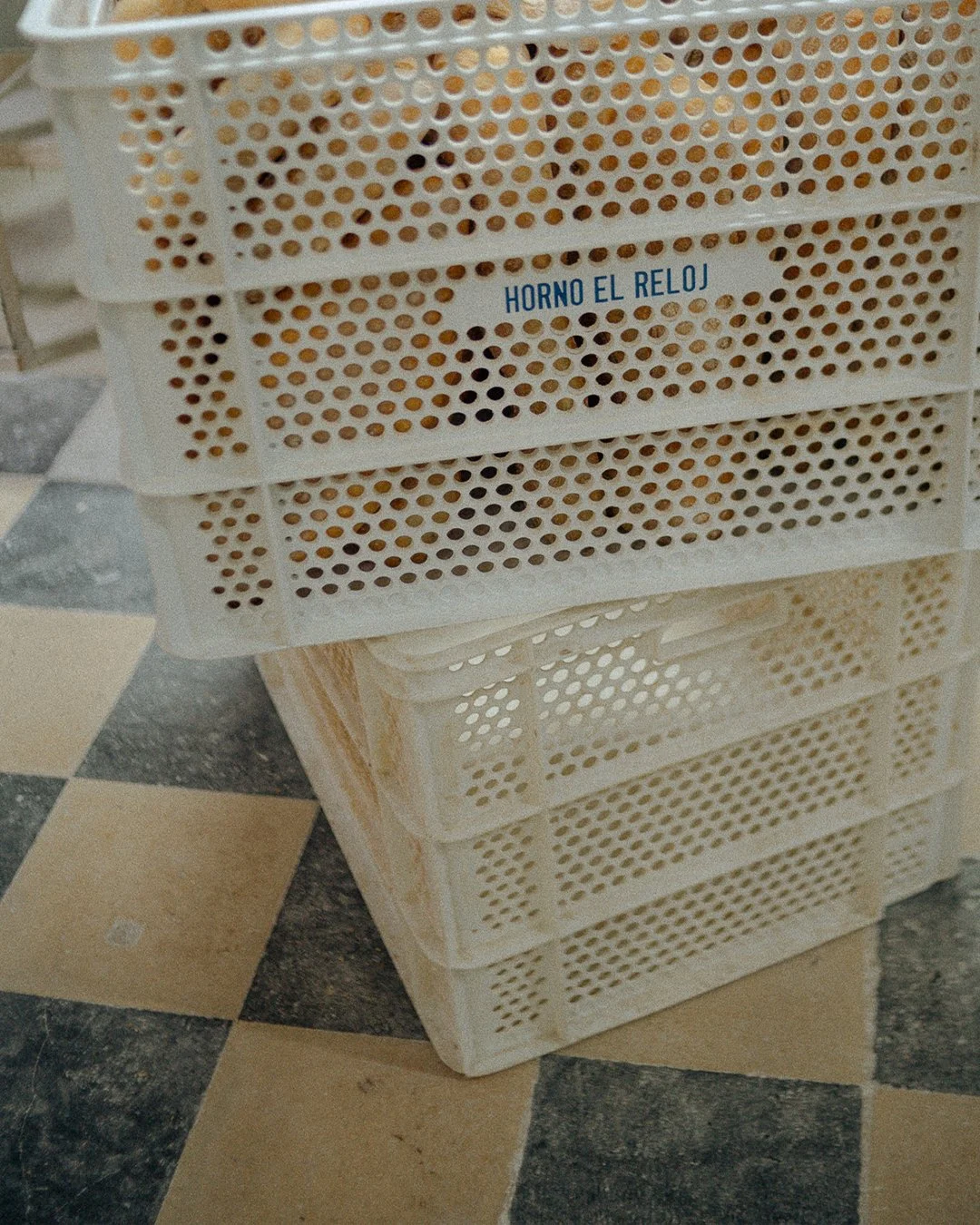
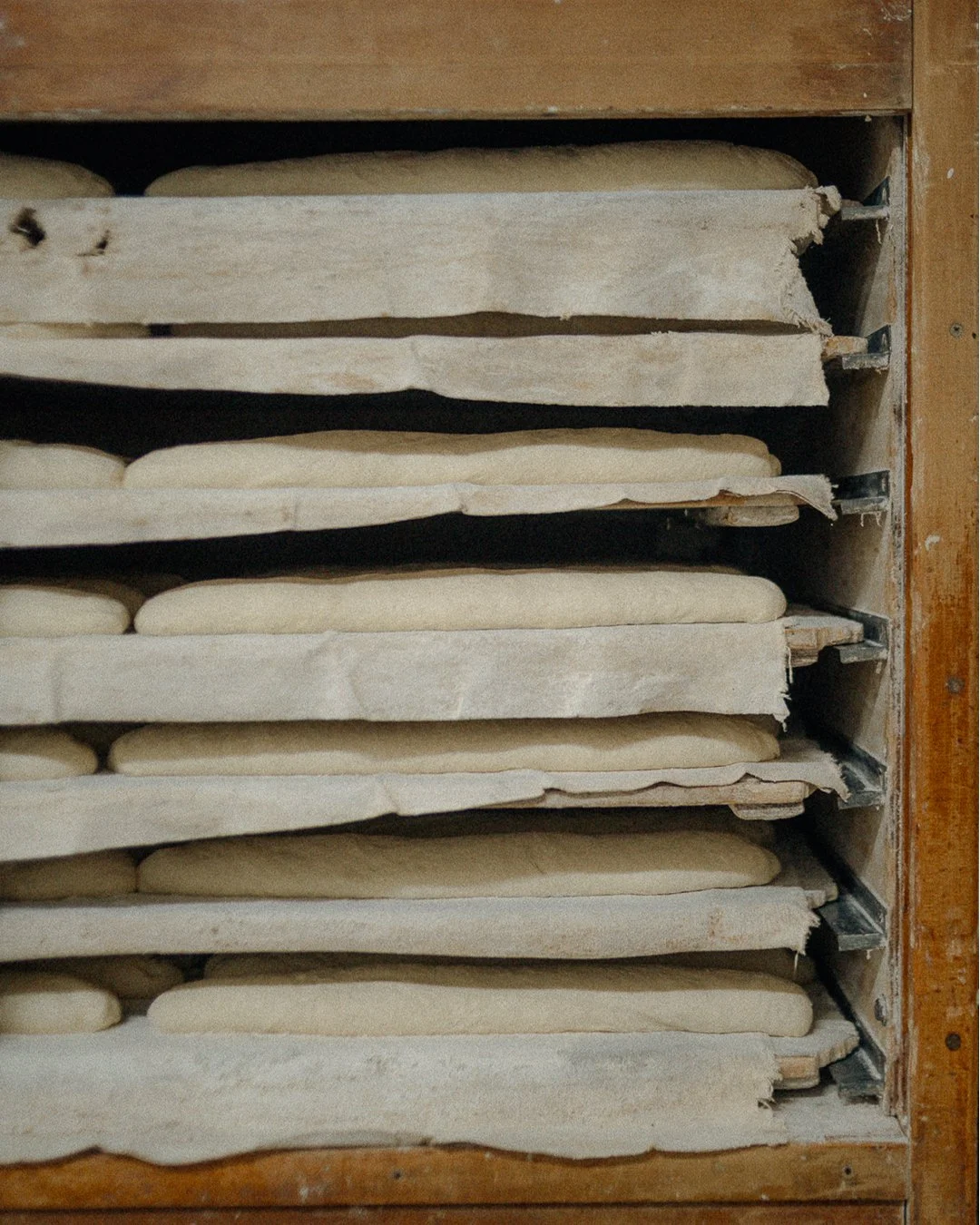
Inside, I spoke for a while with the people working there, and I realized it wasn’t just any bakery. It’s a traditional oven that has been running in the neighborhood for more than 30 years—steady, daily, feeding people who are already part of the place. I was lucky to talk with Jorge, the owner’s son, who was incredibly kind and open, one of those people who make you feel at ease, without rush.
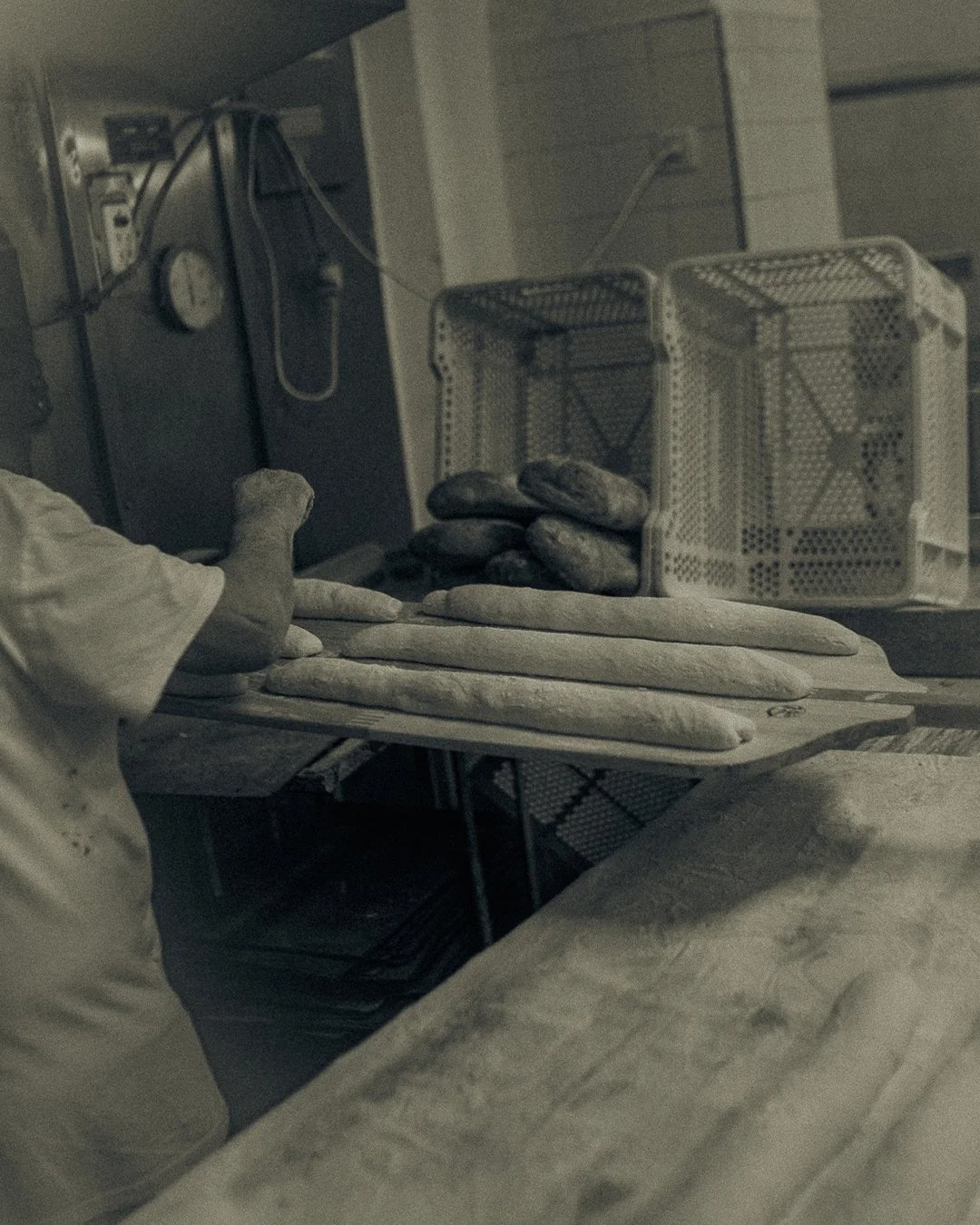
Inside, I spoke for a while with the people working there, and I realized it wasn’t just any bakery. It’s a traditional oven that has been running in the neighborhood for more than 30 years. I was lucky to talk with Jorge, the owner’s son. He was incredibly kind and open—one of those people you meet who makes you feel at ease, as if you’ve known each other for a long time. That kind of warmth has a way of unlocking memories.
And that stayed with mE.
when I think about it, I feel genuinely happy.
I come from a small town in the countryside of Brazil—one of those neighborhoods where kids belonged to the street as much as to their own homes. I grew up running in and out of my neighbors’ houses like they were all family: aunts, uncles, cousins… one big, messy, beautiful tribe. I knew the baker on the corner, and he knew me—knew my name, knew my family, knew our routine. There was something deeply grounding about that: being seen, being held by a place, without needing to explain yourself.
And arriving in Cabanyal, somehow, brought that feeling back.
Here, life still has a bit of that “big family” rhythm. People greet you. They remember you. Businesses know you by your name, not by an algorithm. And that’s why, since I got here, I’ve felt this quiet need to tell stories—especially the ones rooted in craft, routine, and community. To photograph the places that carry the identity of this neighborhood. And, in my own small way, to help them stay standing—authentic, steady, faithful to the traditions of those who came before.
In a world where traditions, roots, and the traces of the past—those things that shape who we are—are slowly disappearing, this neighborhood takes pride in caring for its own history. And it understands that this isn’t only “the past”: it also builds the present.
And I think that’s what I admire most about Cabanyal: its ability to adapt without erasing itself.
There’s an identity here that still breathes—in the old doors, in the LONG conversations on the street, in businesses that know people by their name, not by an algorithm. A neighborhood that, in its own way, looks at itself. Holds itself. Recognizes itself.
This series is about that: the FOOTPRINTS of real life—places, people, and things that keep what’s human from fading. Craft done with love. Routines that create meaning. And the quiet work that holds a community together, day after day.
And now I can’t stop wondering: how many places like this are we losing without even noticing?