EP02. DESPERTAR EL BARRO
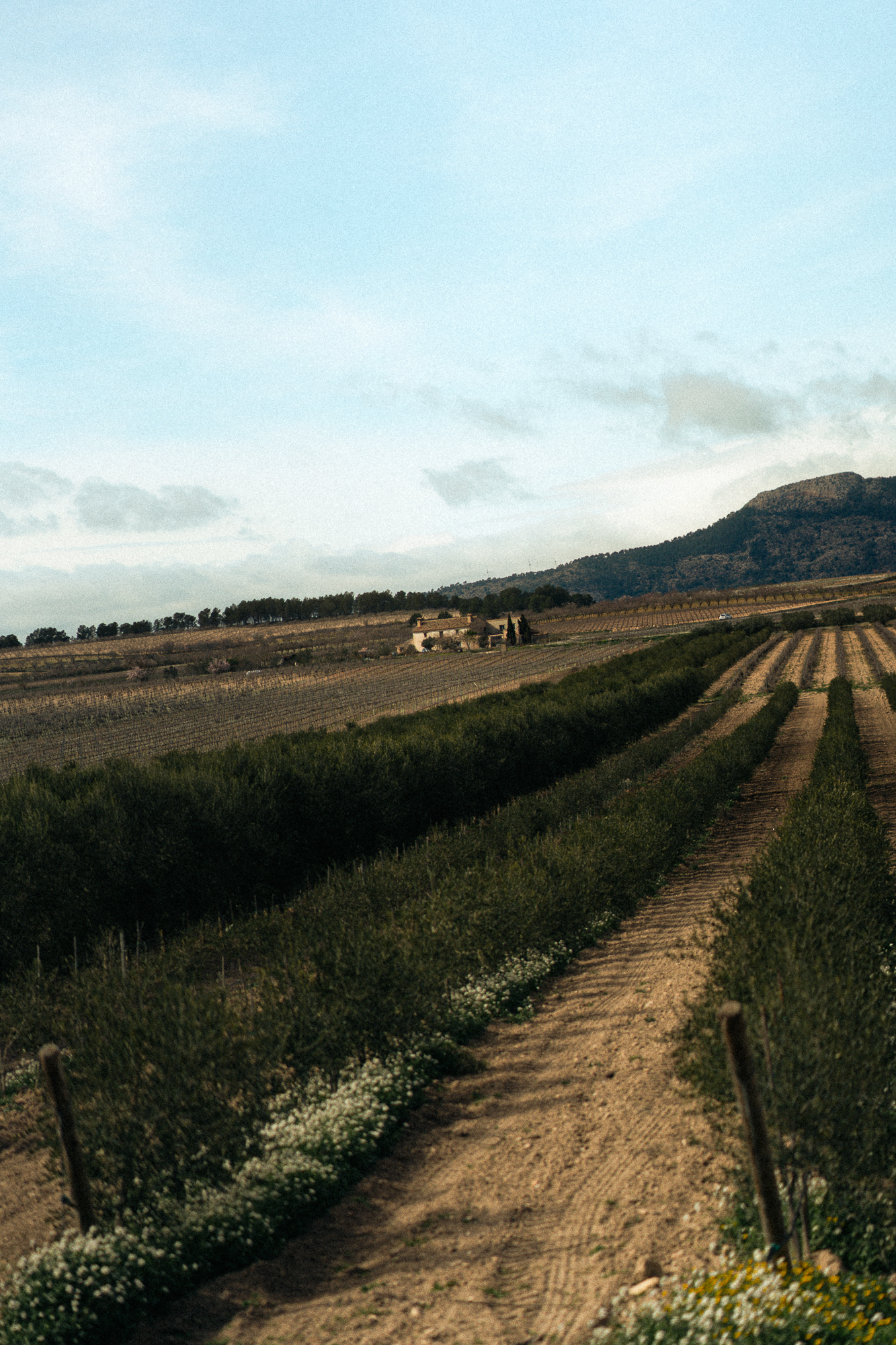
I’ve been living in Valencia for a little over seven months, and in all this time I still hadn’t taken a road trip “into” the Valencian Community — the kind with no obligations, no list, just heading out to see what happens when you change direction. For weeks I’d been carrying this impulse inside: the desire to explore a region, feel different landscapes, different rhythms, different tables.
Since I moved to Spain, tasting wine and eating well have become almost a personal sport. And it’s no coincidence — here it’s part of life in a beautiful, natural way. In nearly three years living in the country, I’ve collected many memories with a glass of wine nearby. The ones that stay with me most often have two settings: summers by the Mediterranean and in Galicia. I hope I can create many more memories.
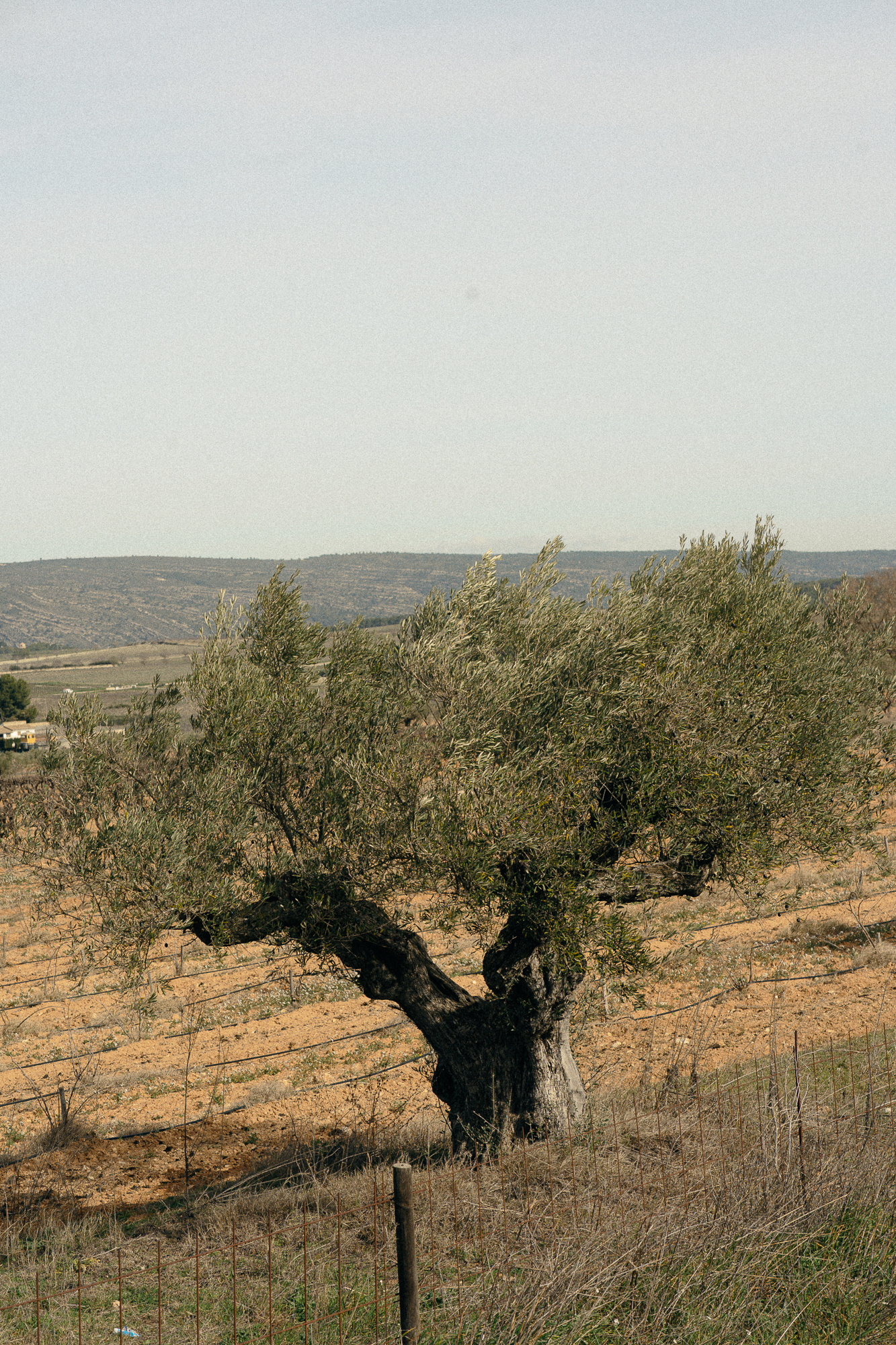
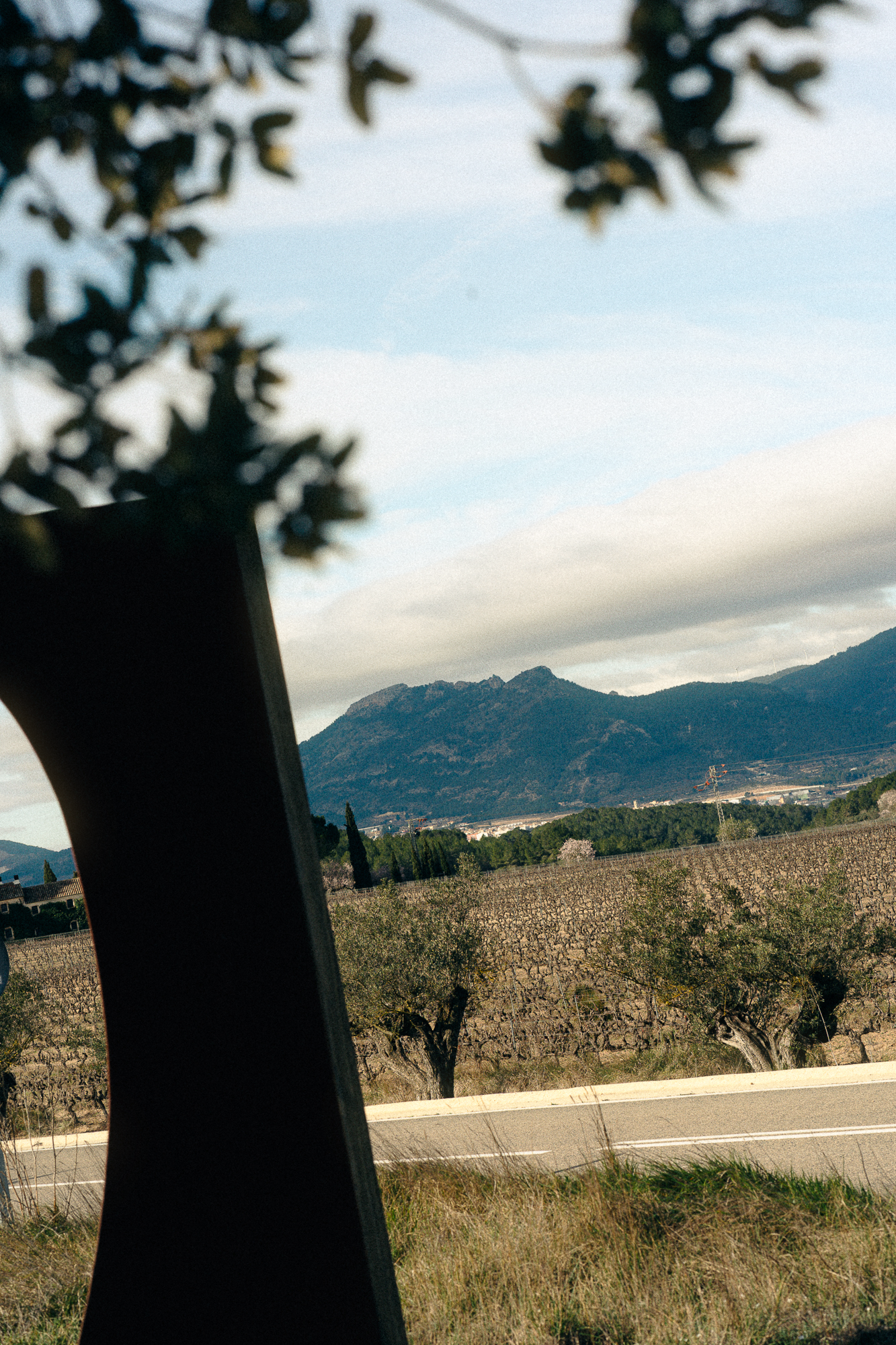
That’s how I ended up heading to Terres dels Alforins, a wine region in inland Valencia made up of municipalities like Fontanars dels Alforins, La Font de la Figuera, and Moixent. From Valencia it’s roughly 80–100 km (depending on the exact point), about an hour on the road, and suddenly you’re in a completely different rhythm.
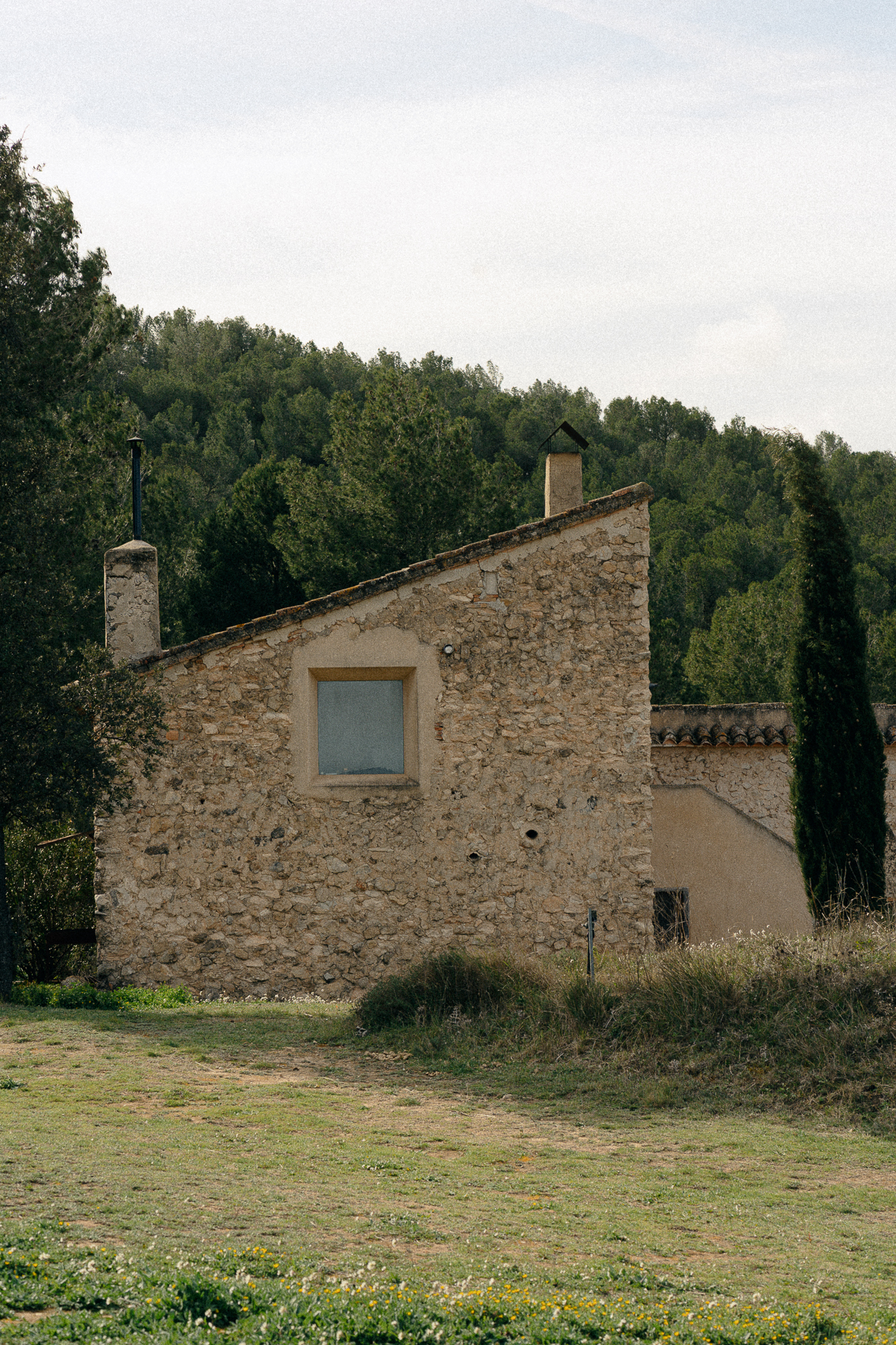
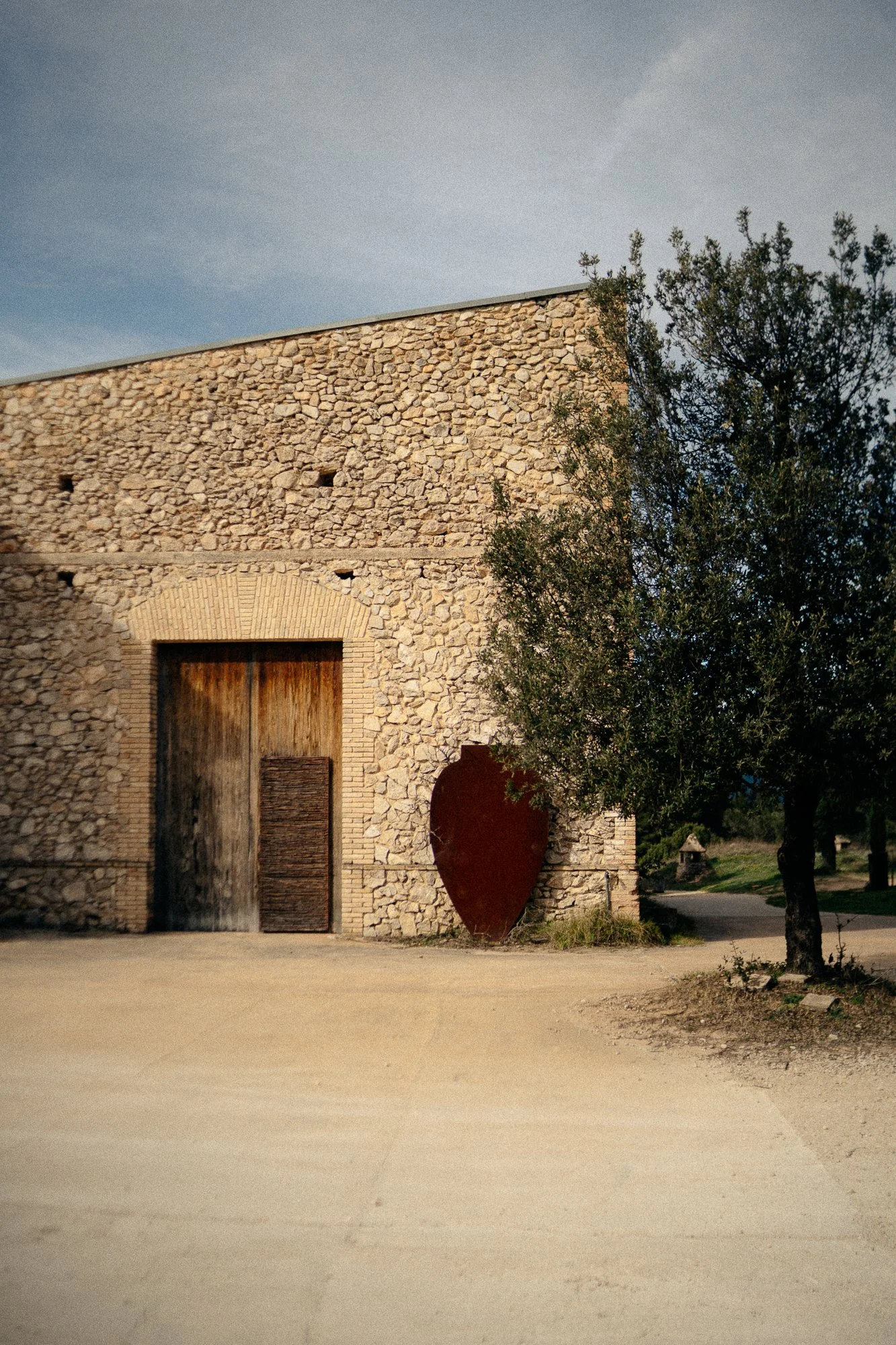
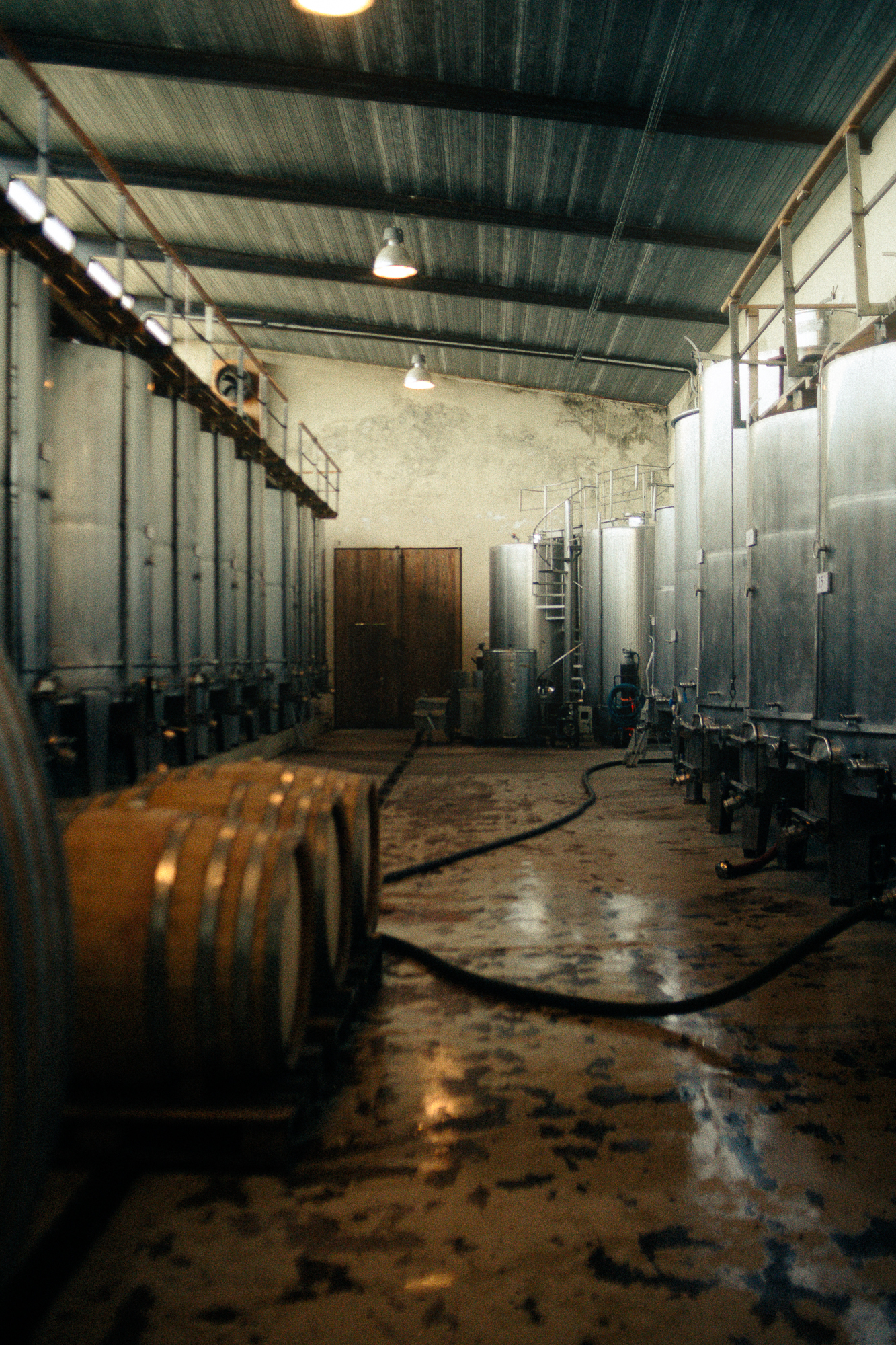
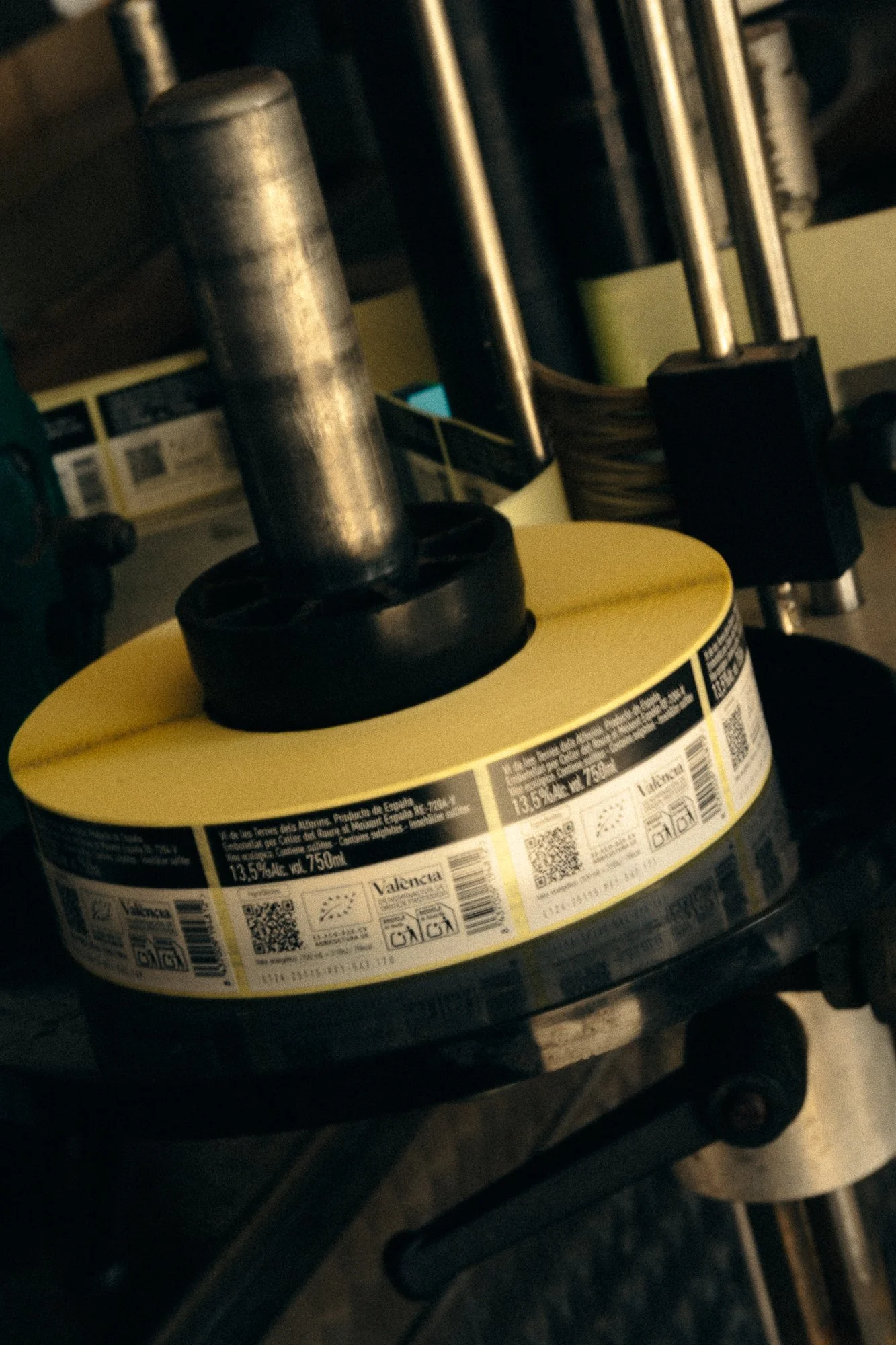
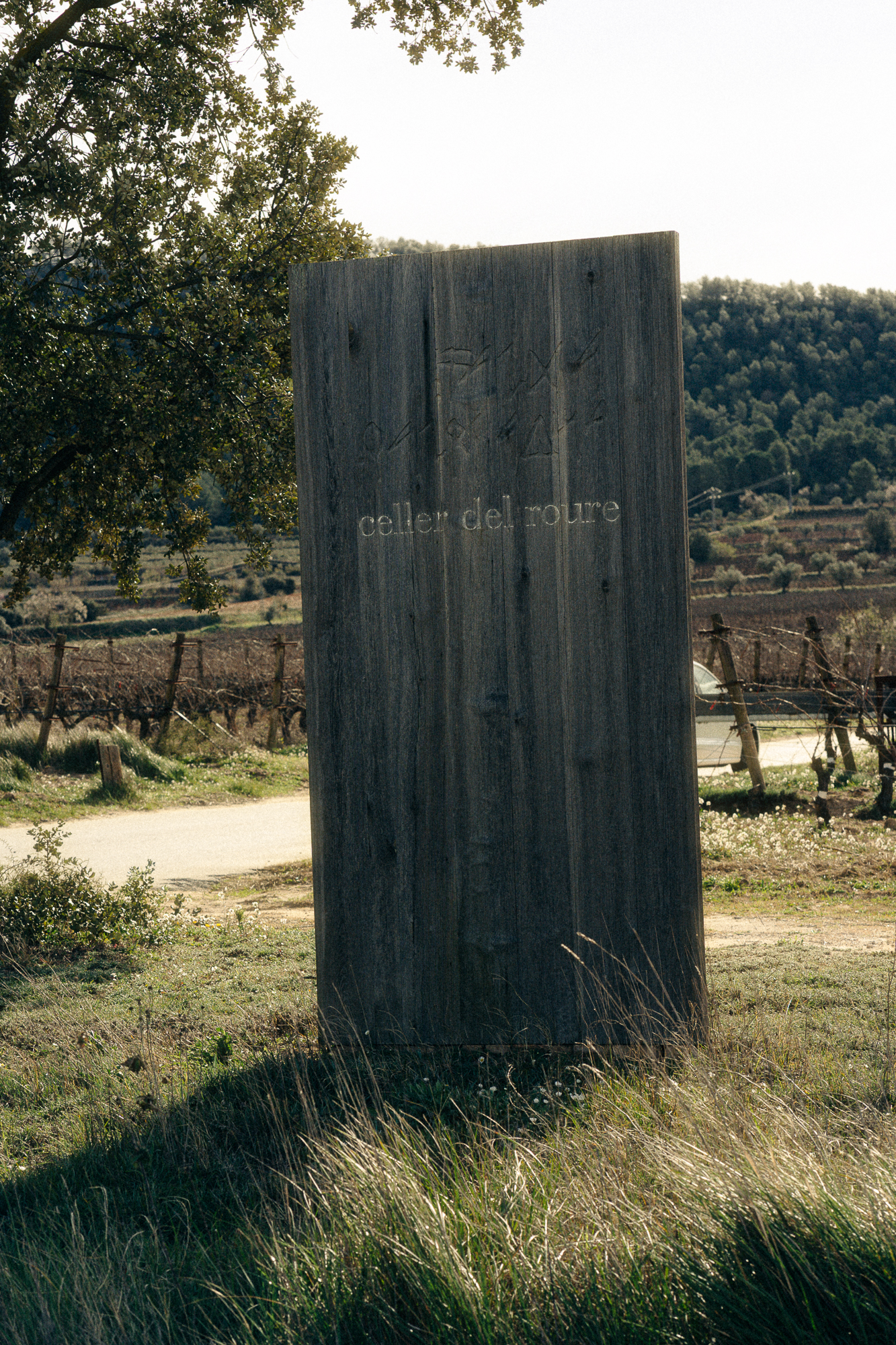
There, in Moixent, you’ll find Celler del Roure — also known as “Les Alcusses” on some of its wines. The winery sits right at the foot of La Bastida de les Alcusses, an Iberian settlement from the 4th century BC, which gives a powerful historical backdrop to everything happening there.
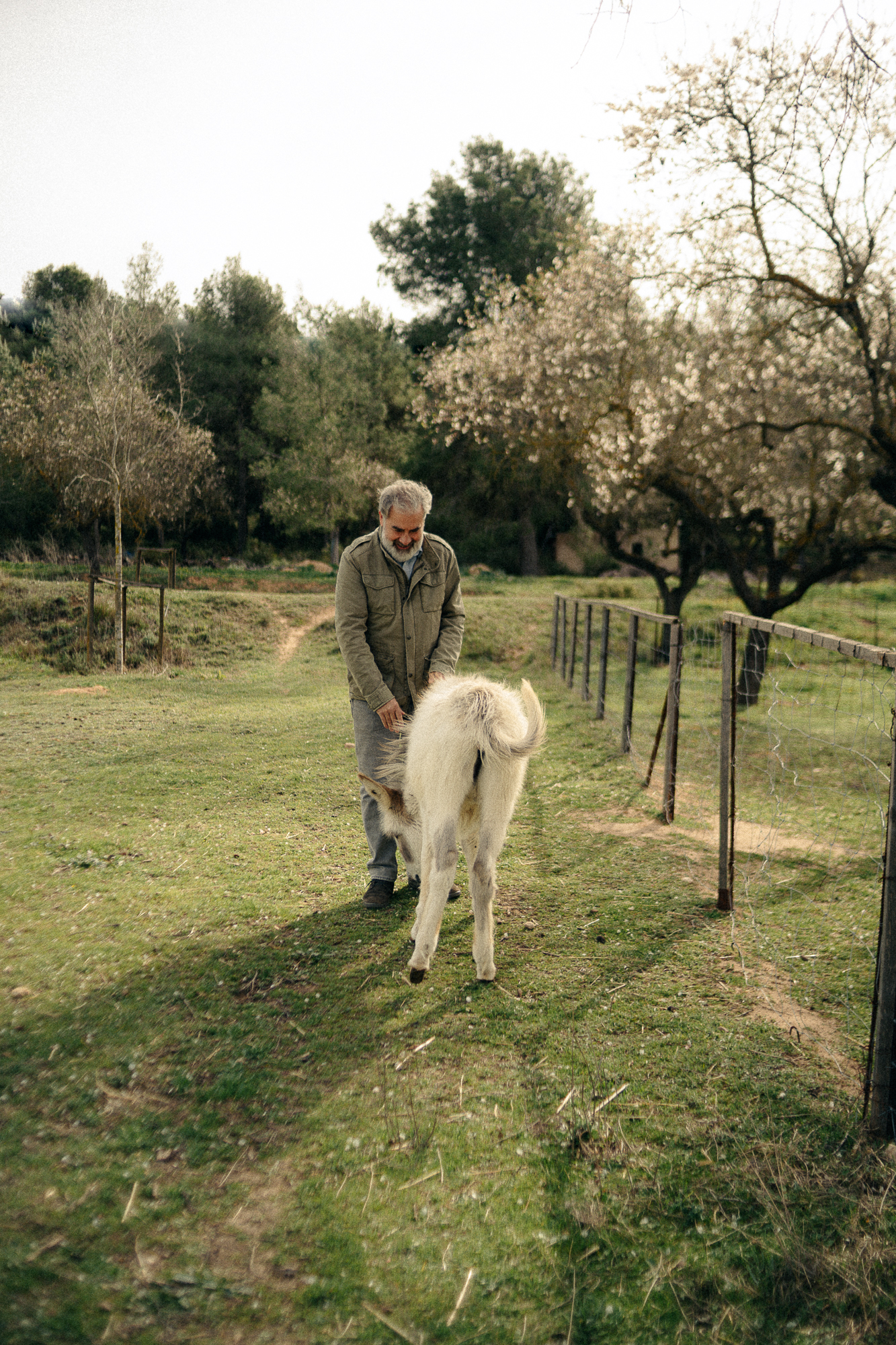
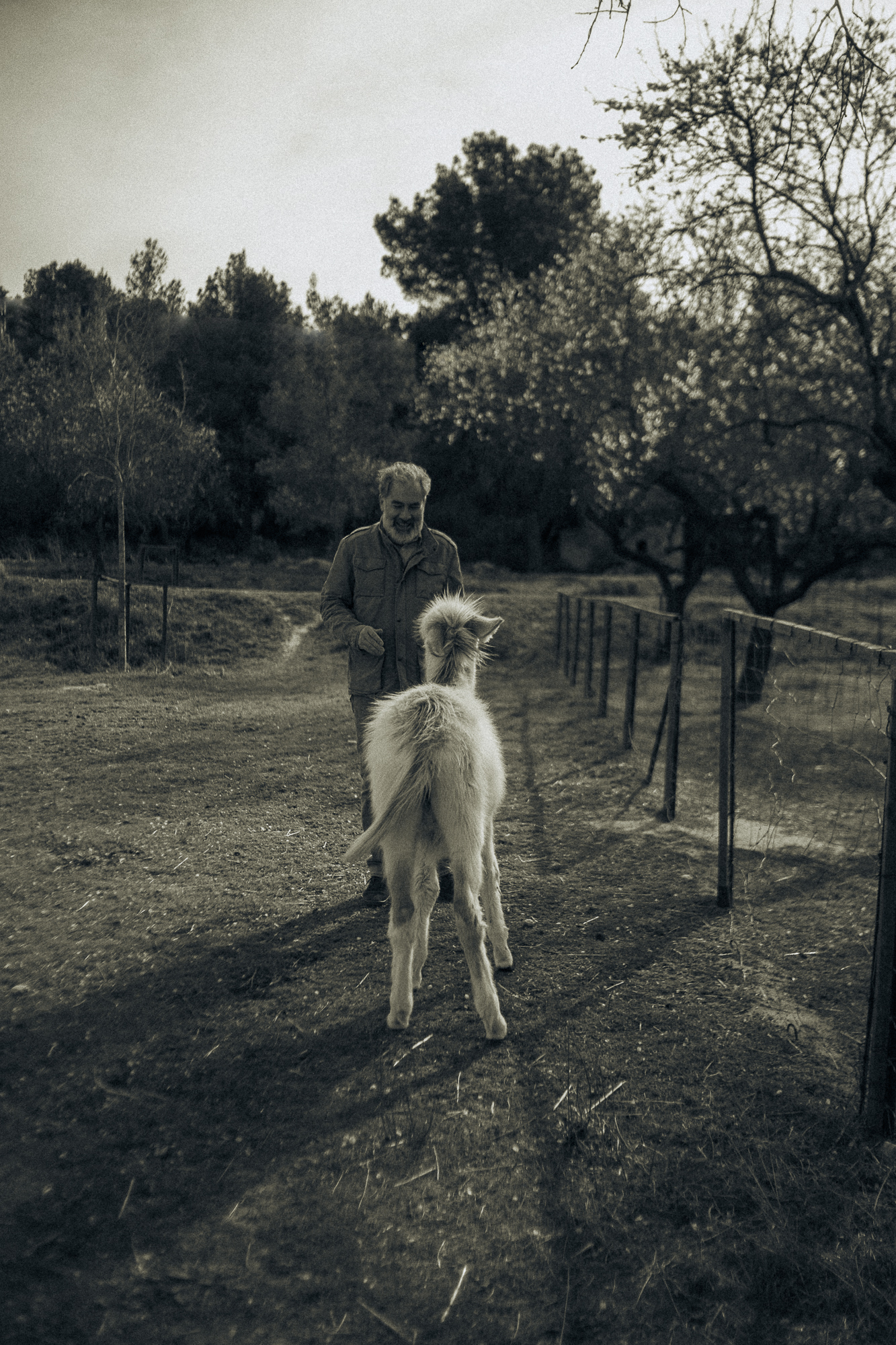
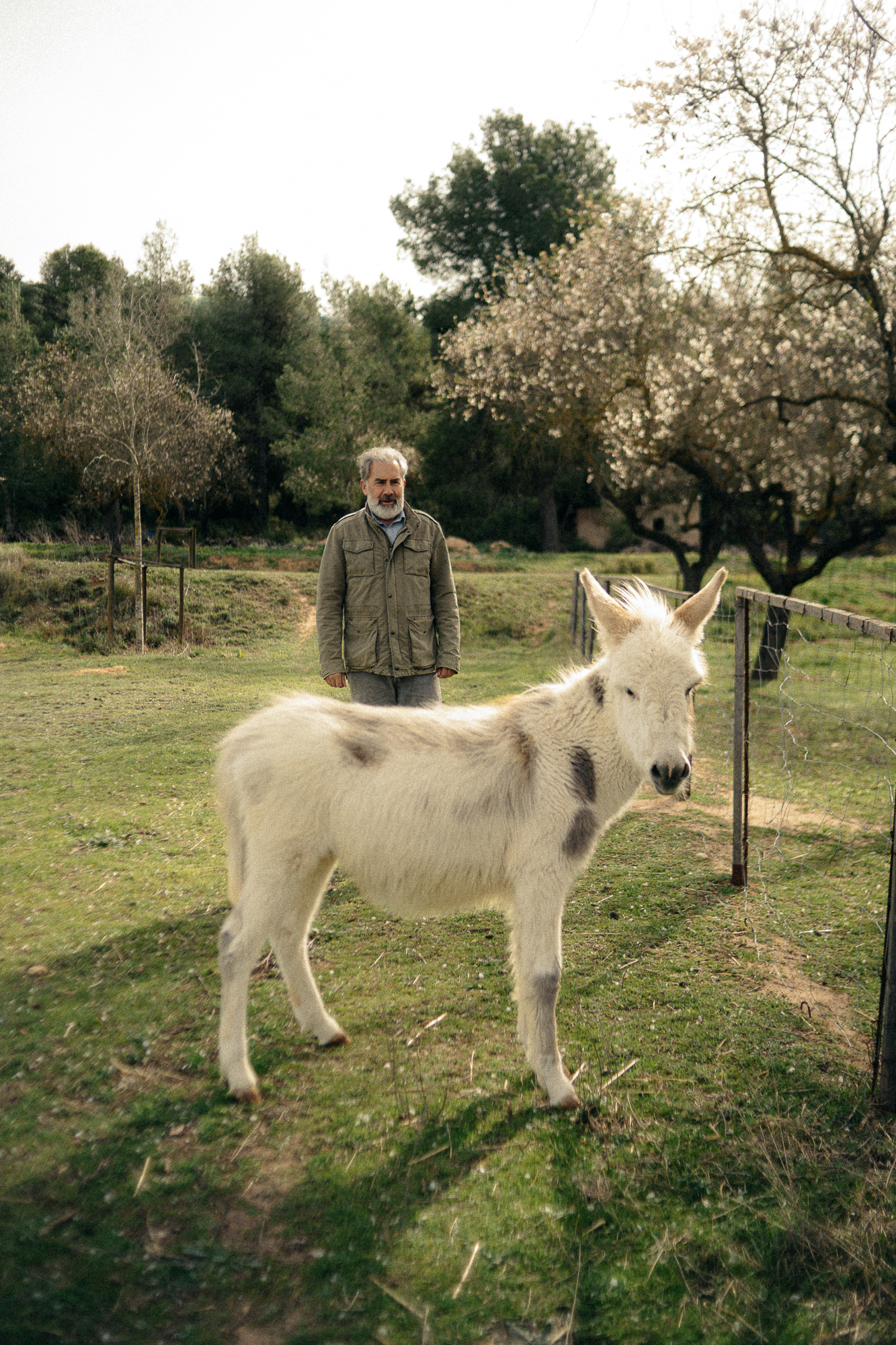
PABLO WITH TONET THE DONKEY DOG
I met Pablo there — with Doneta and Cova, his two mastiff dogs, and Tonet, the little donkey who honestly behaves like he thinks he’s a dog. And our conversation was the kind that helps you understand a project from the inside, with no gloss.
But the heart of our conversation, for me, was something else: returning to origins as a method. Not as an aesthetic. Not as nostalgia. But because they truly believed in the potential of that land and what came before — even when many people said certain local varieties wouldn’t make sense there, and even though today making wine using ancient methods is often seen as a waste of time.
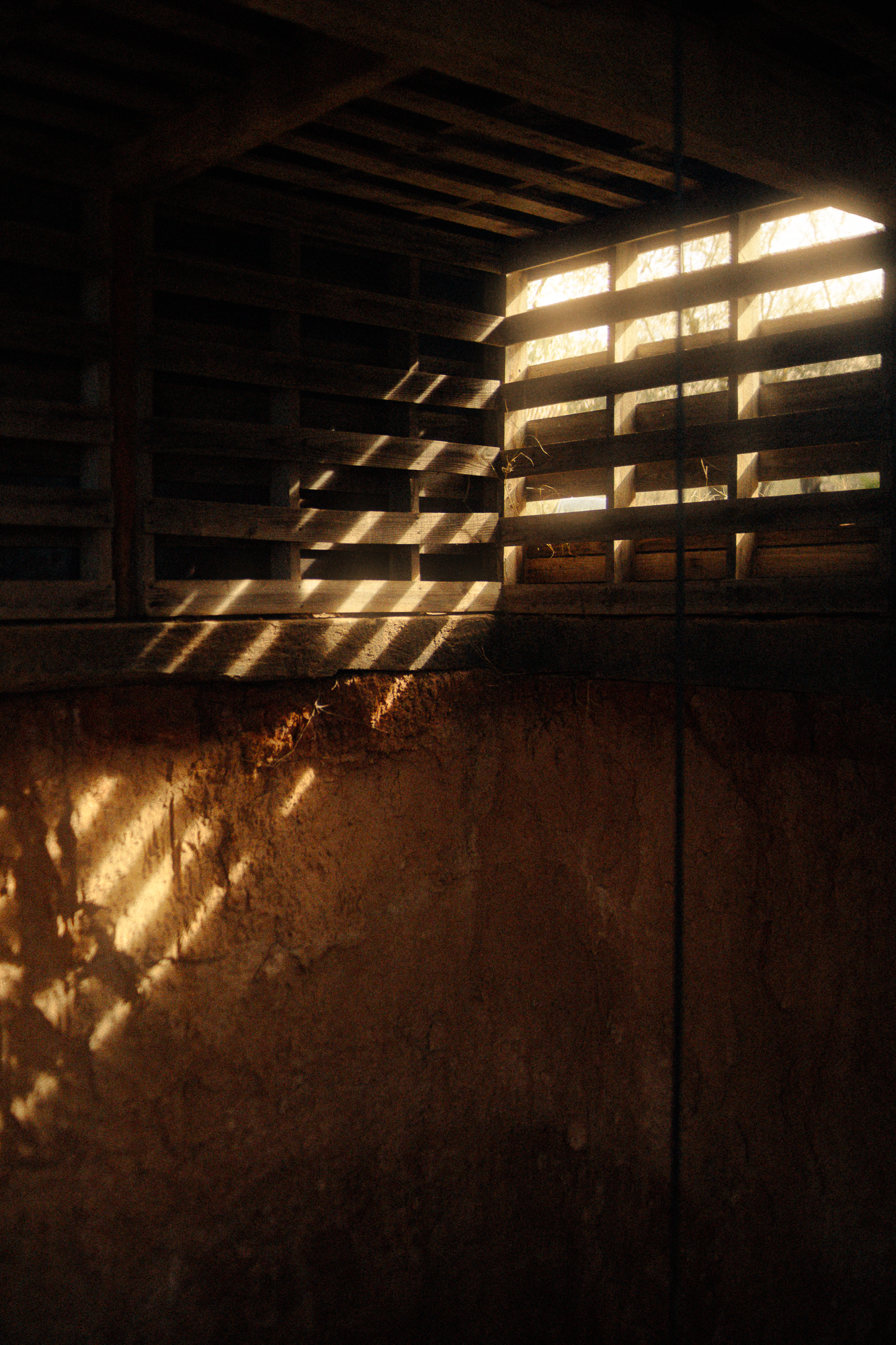
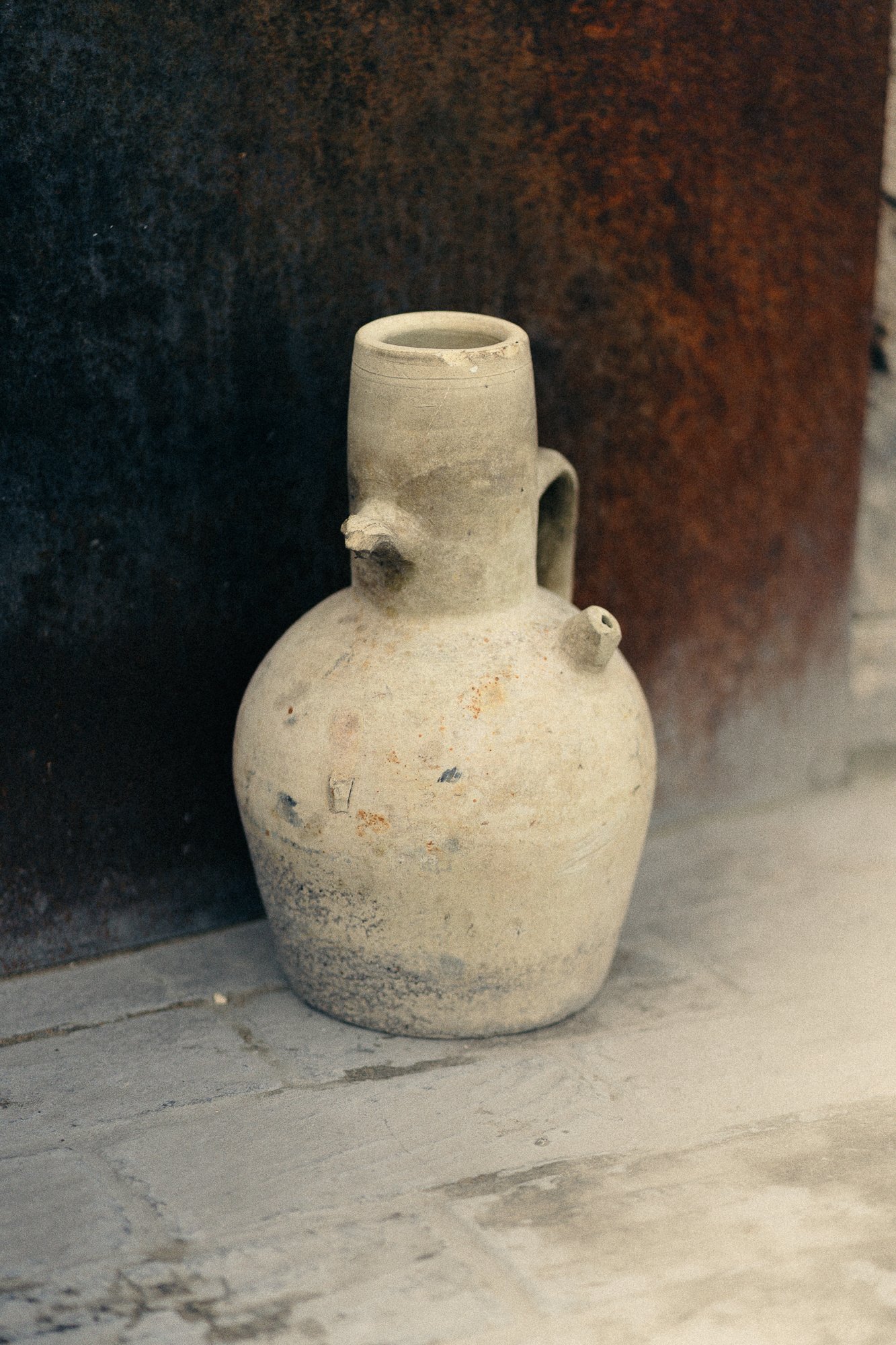
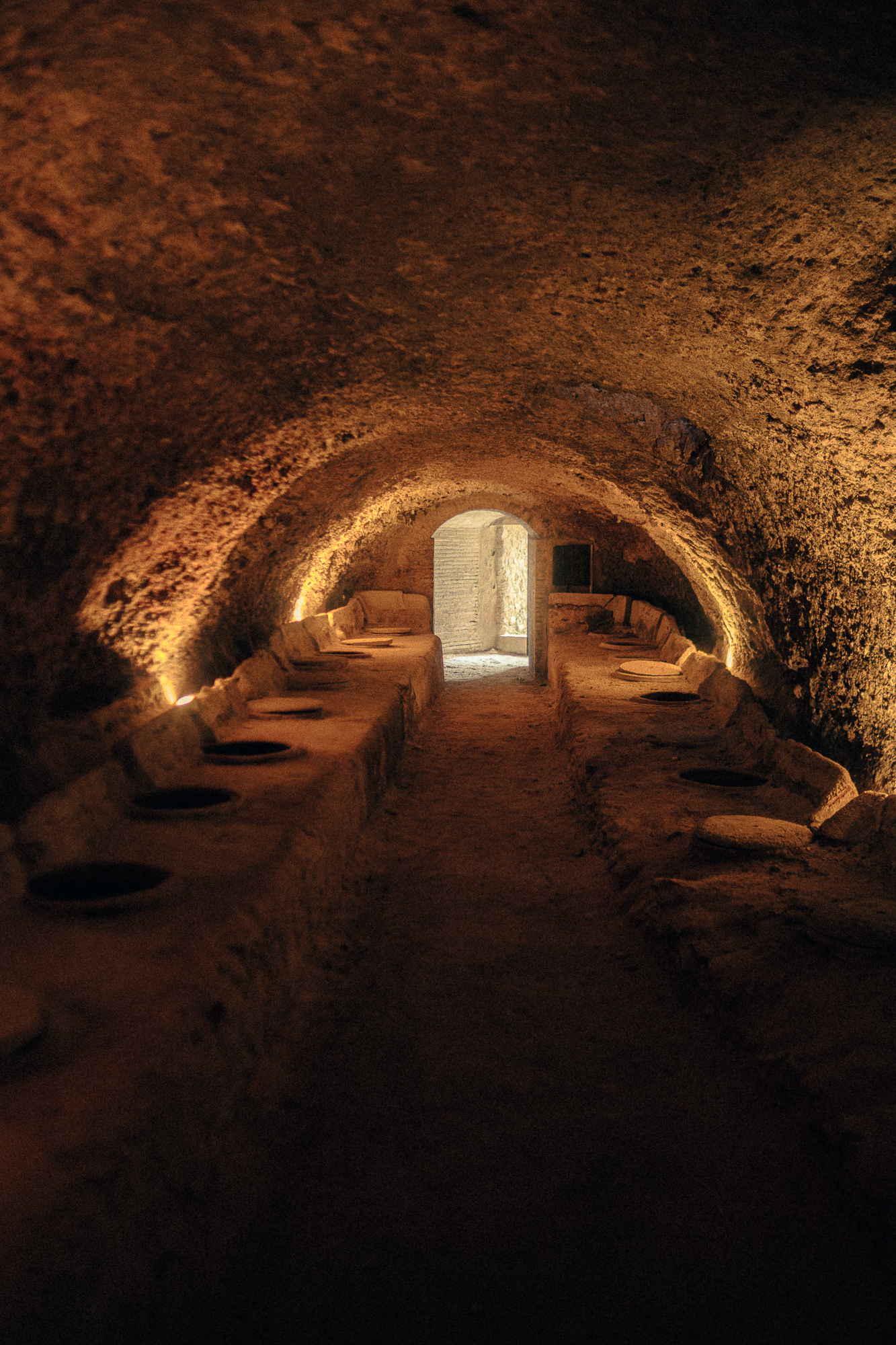
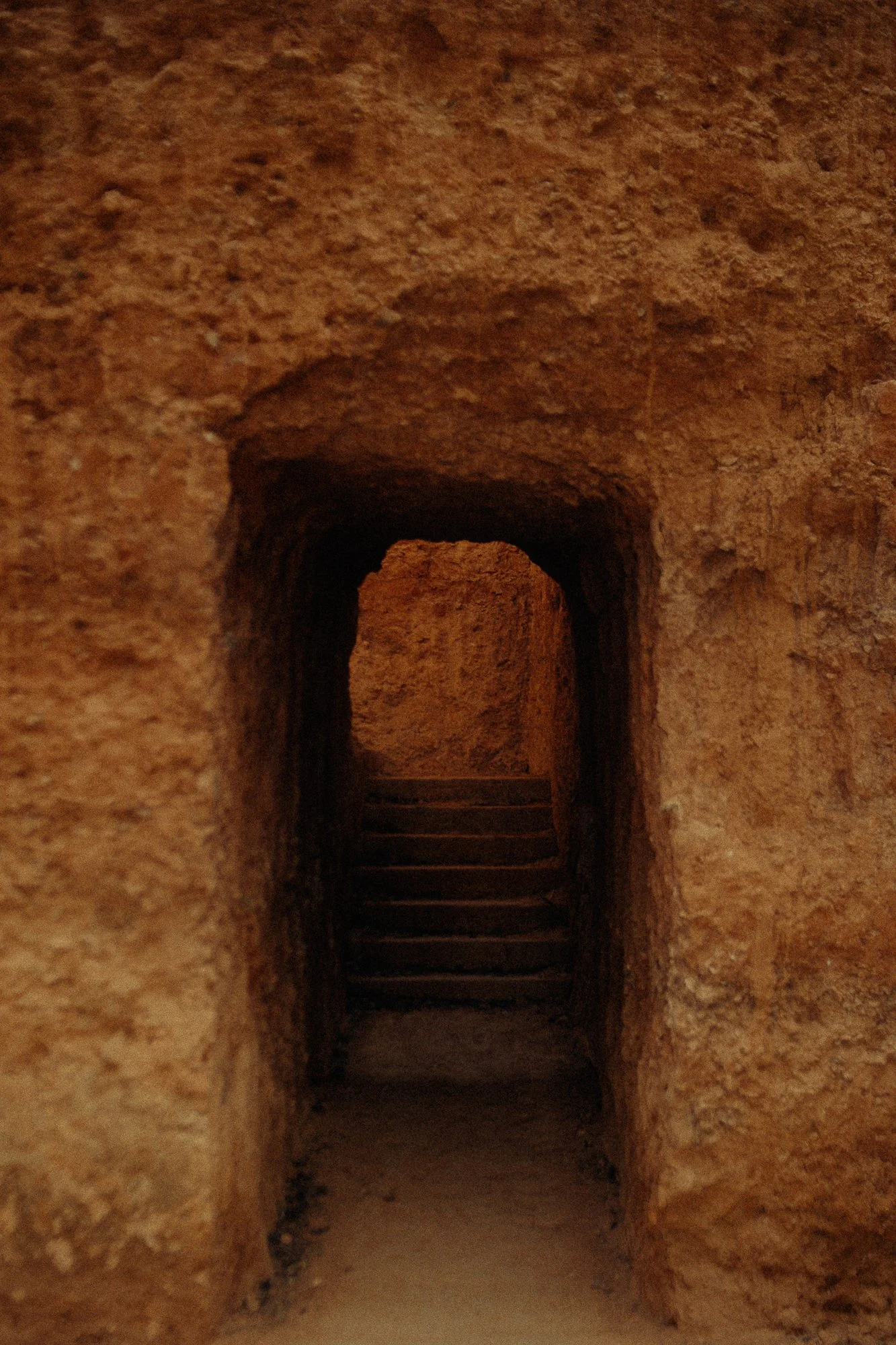
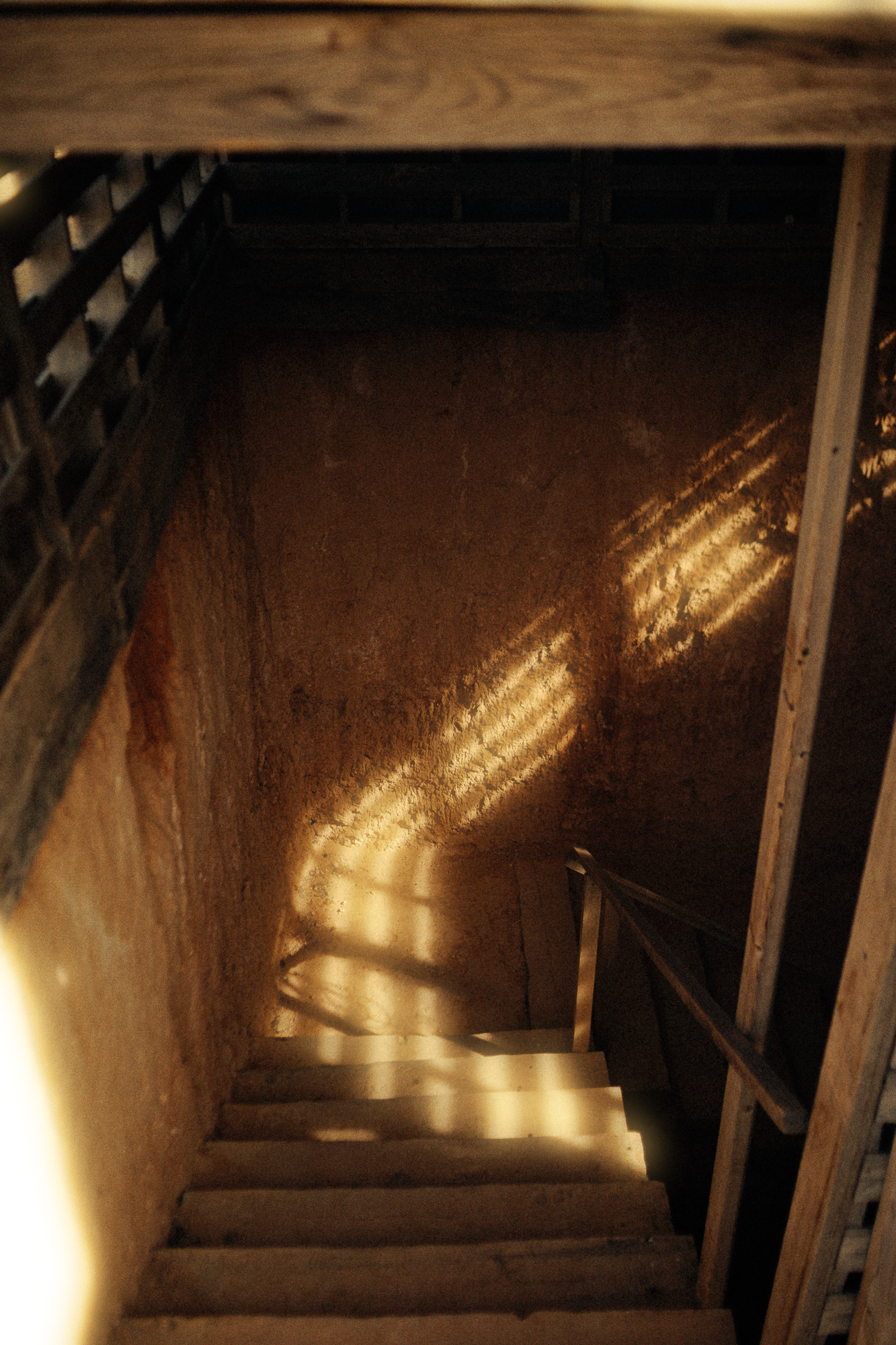
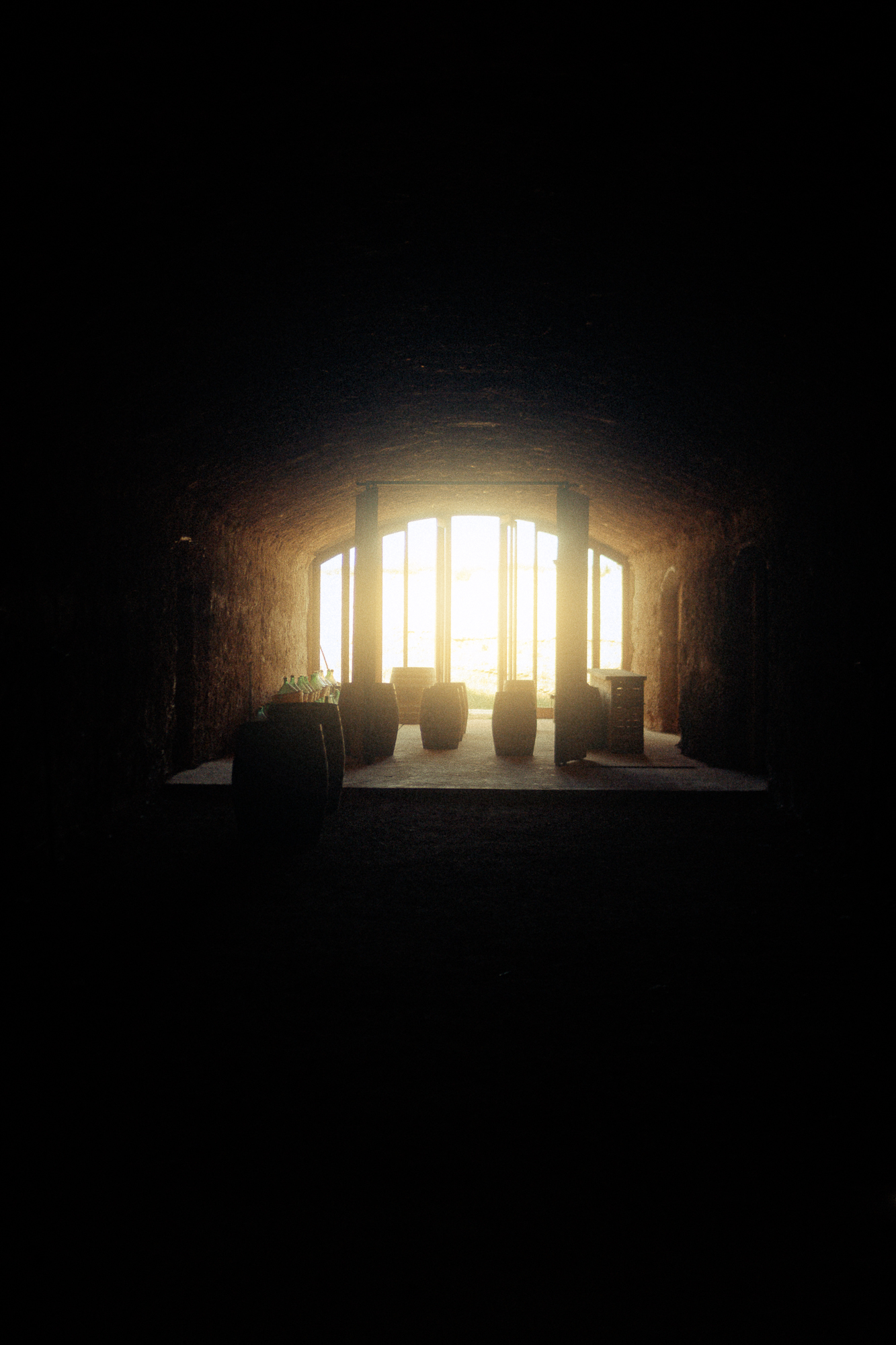
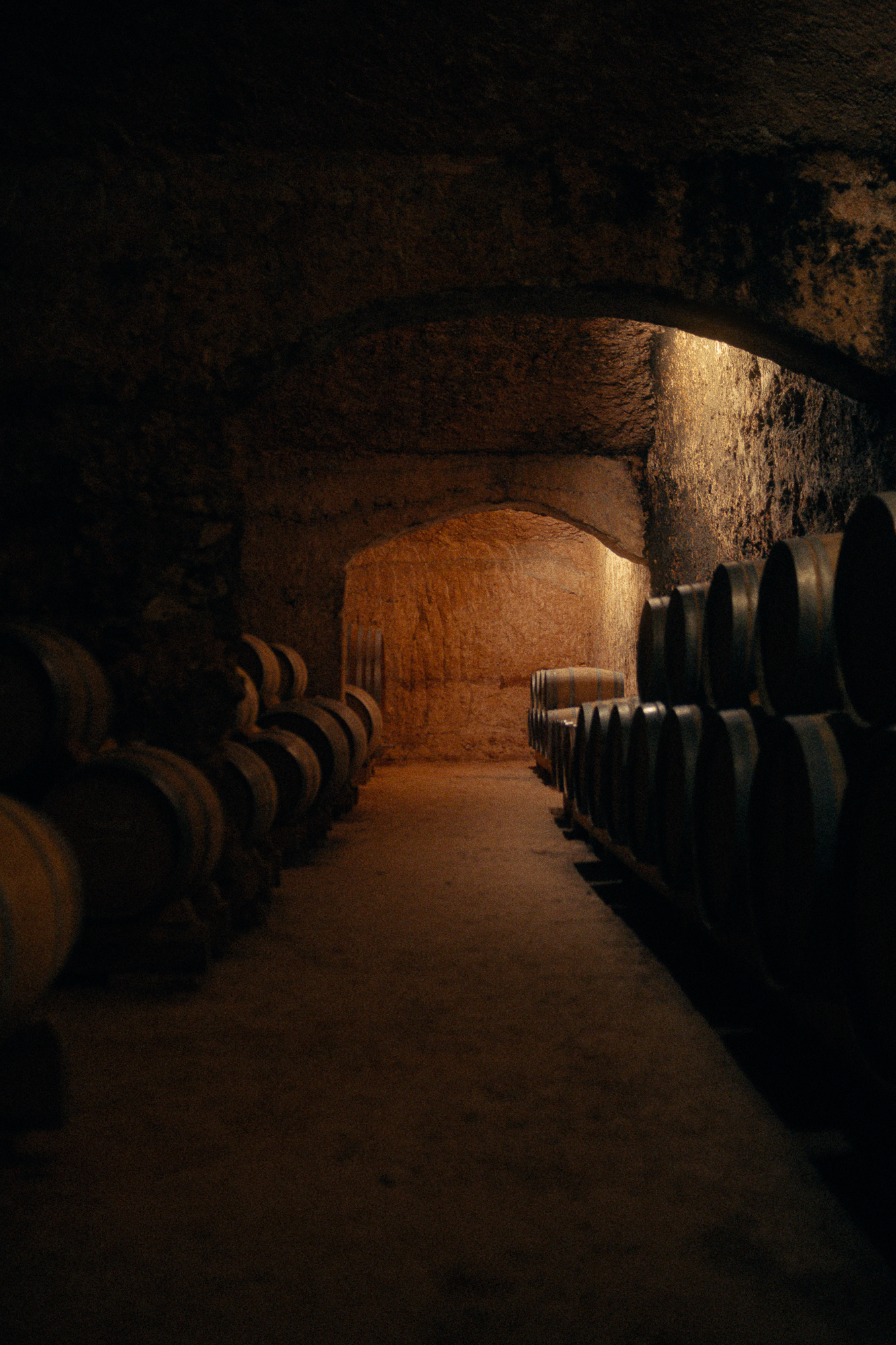
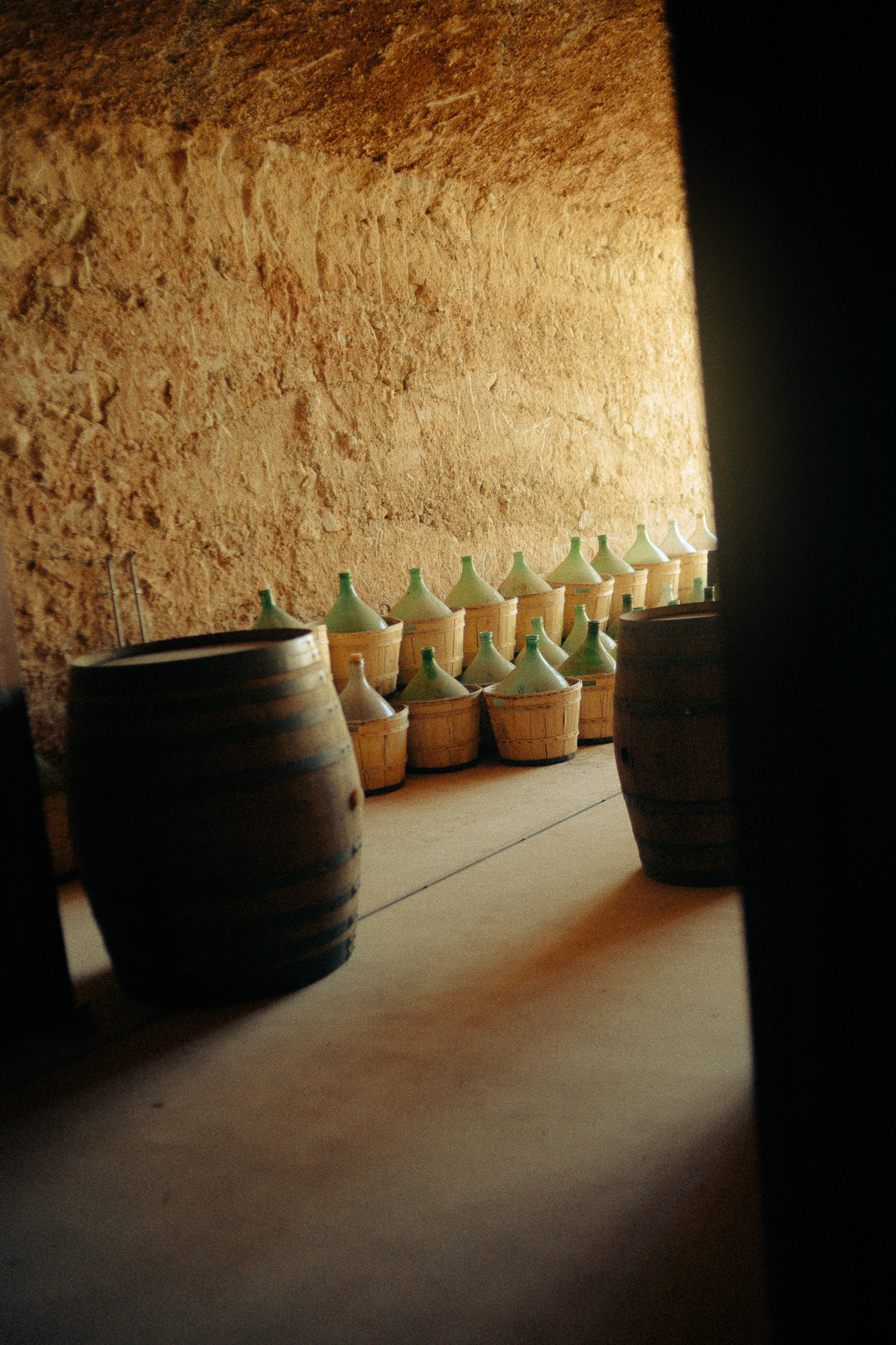
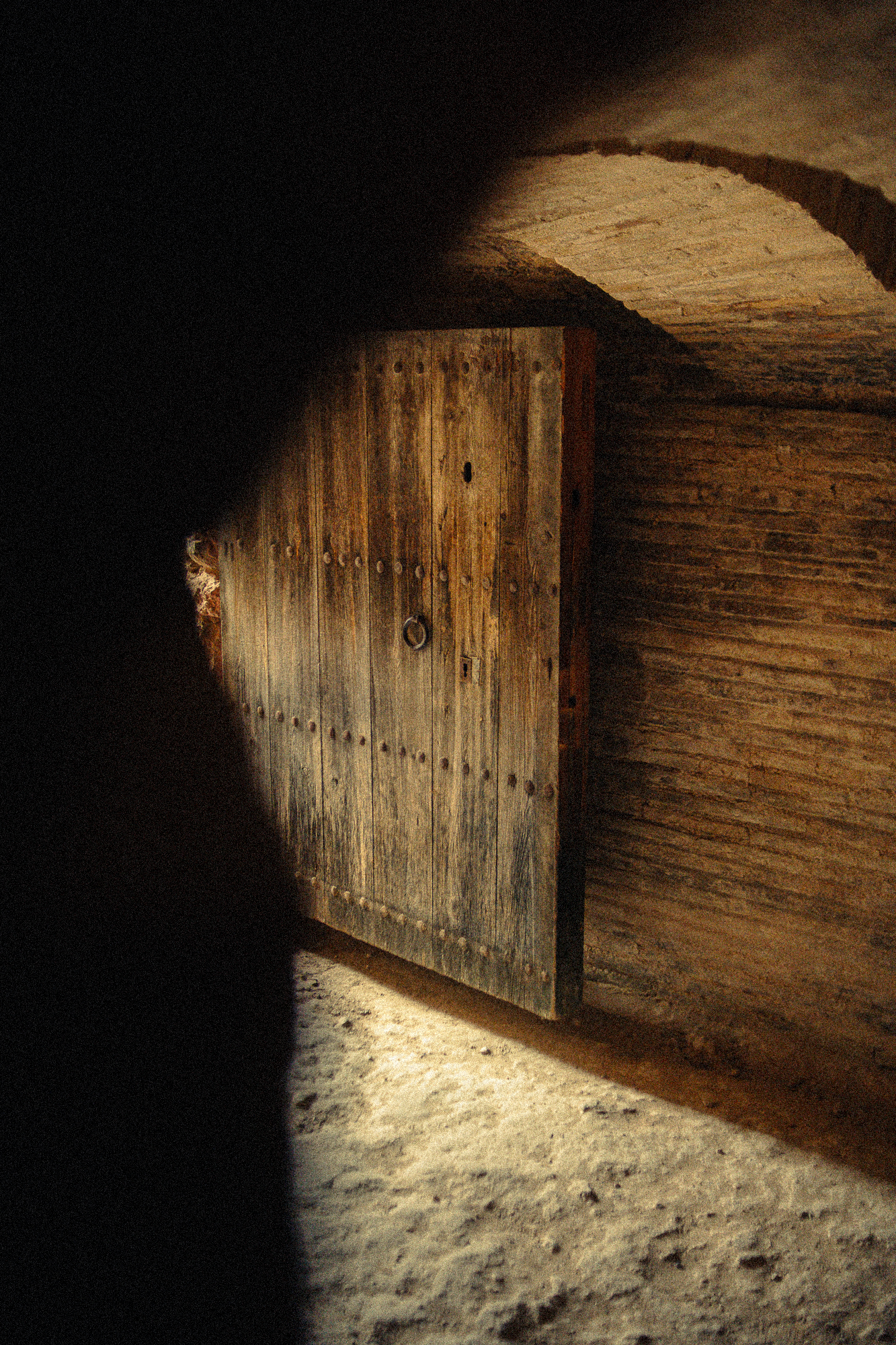
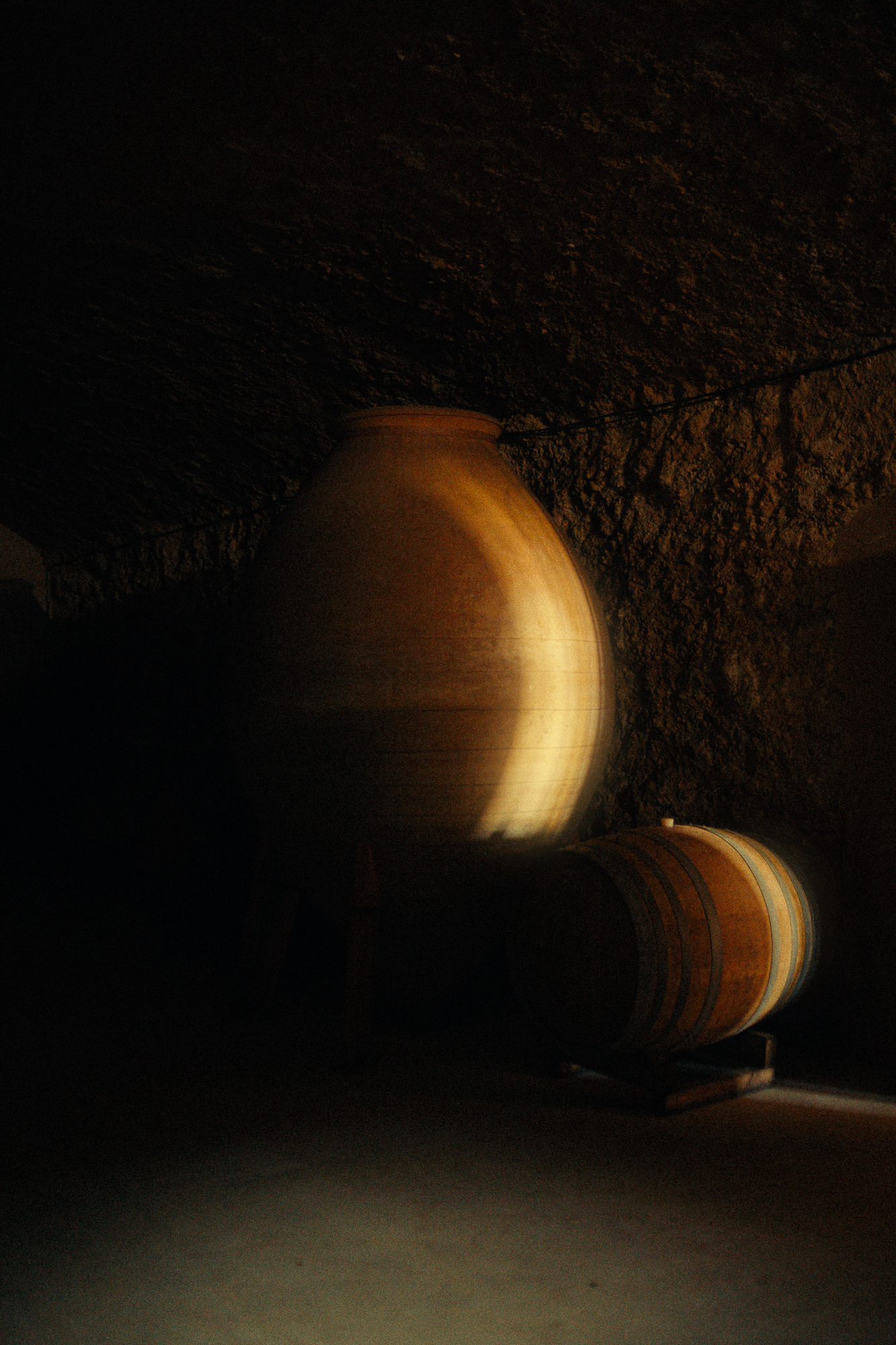
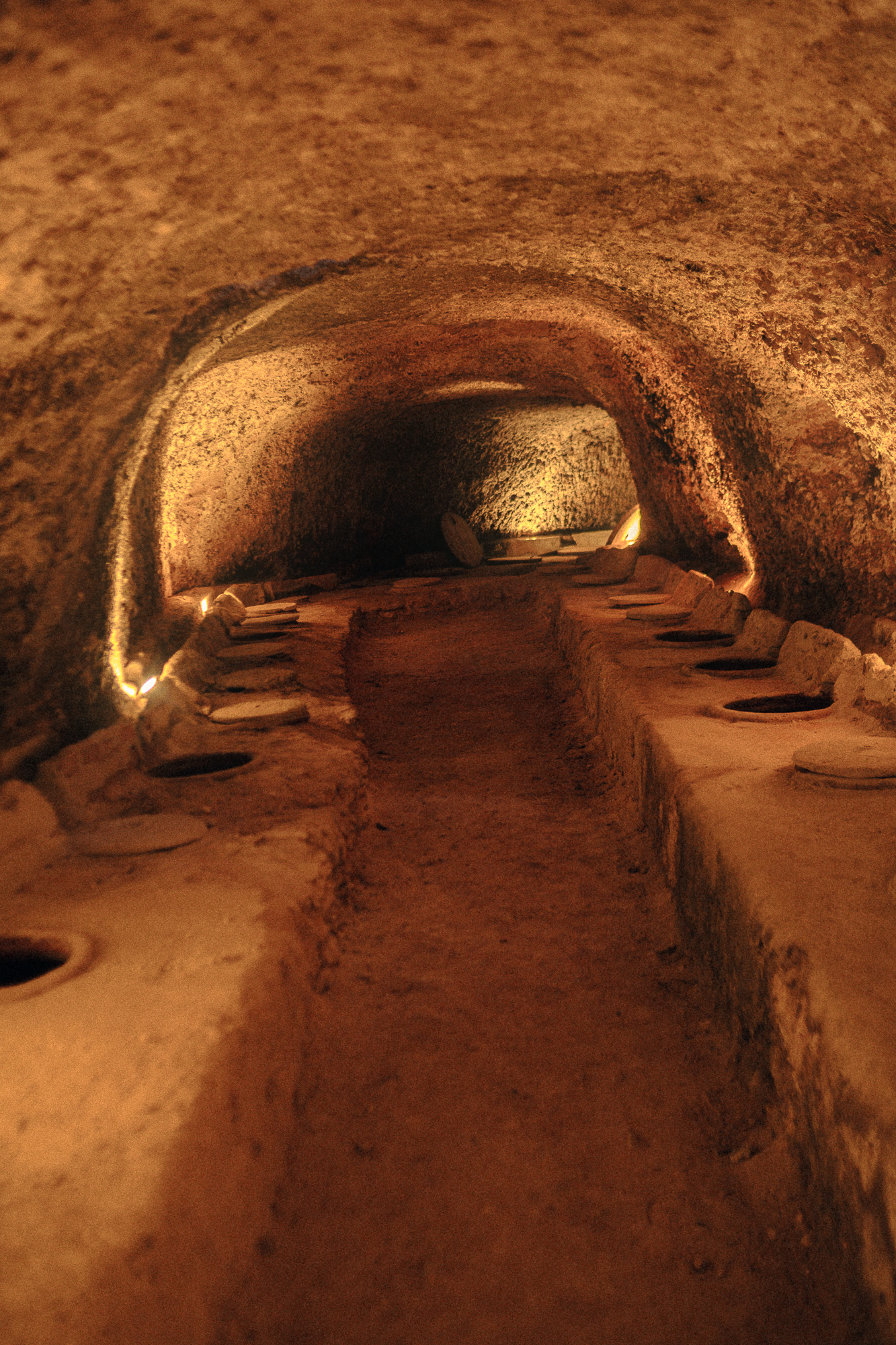
Pablo described a slow, almost investigative process: listening to older people, looking for traces of grapes that had nearly disappeared, recovering small plots, testing. And at the same time, reactivating an extraordinary part of the winery’s physical heritage: an underground cellar with clay tinajas — around 97 — spread across galleries built over different centuries.
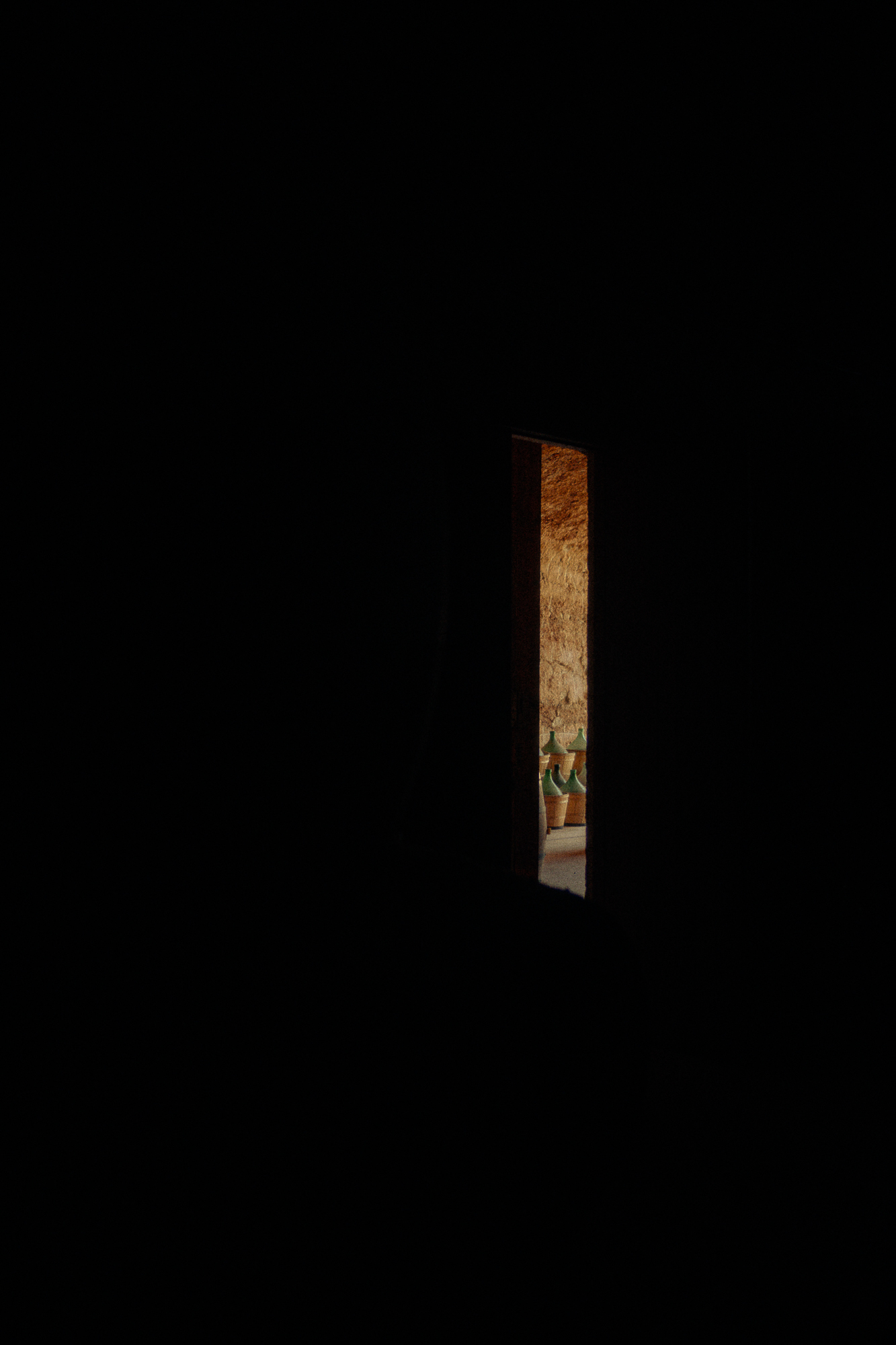
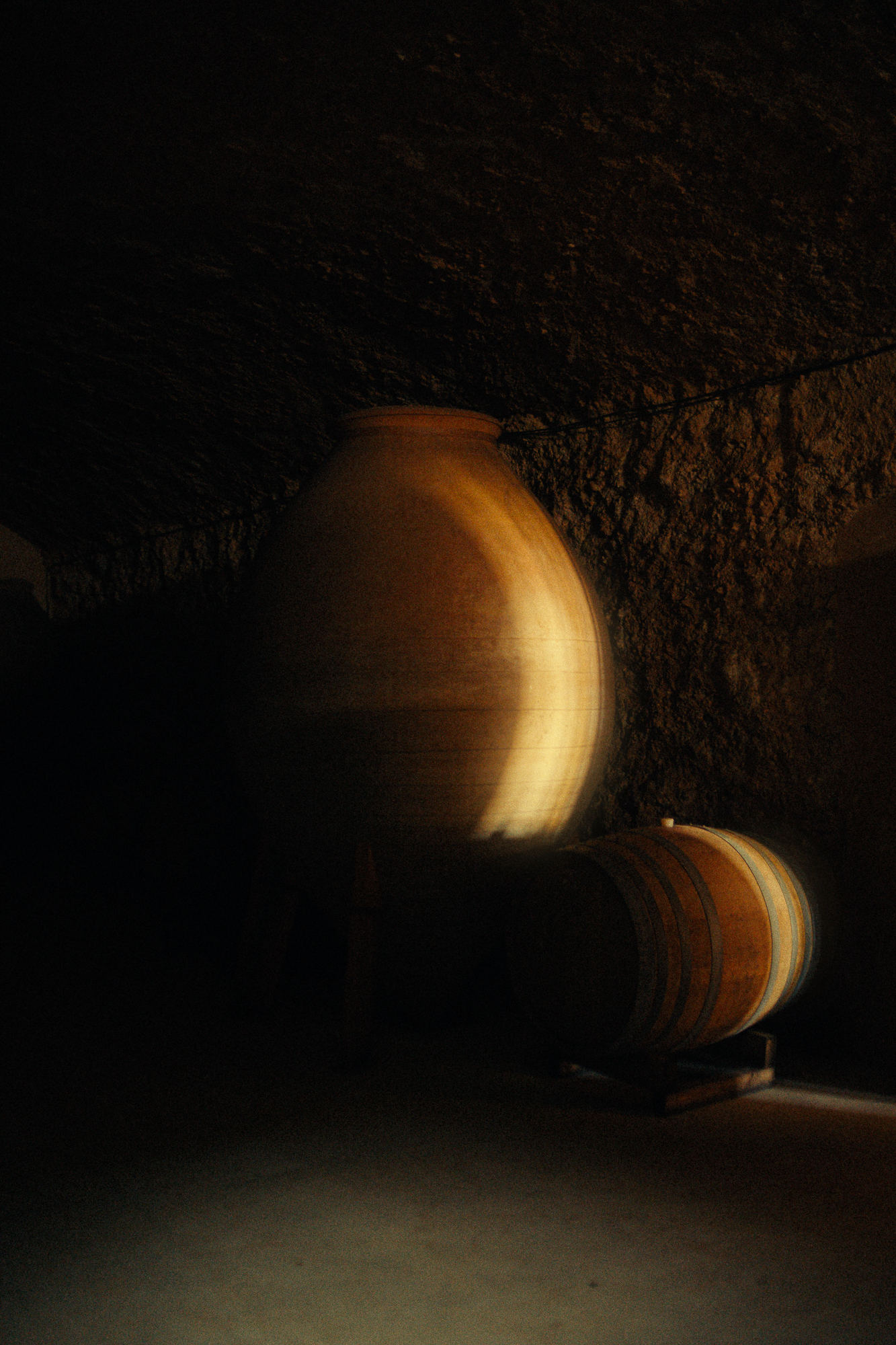
And here’s the detail that stayed with me most: that underground cellar could have become “just a museum,” a beautiful visit frozen in time. Pablo told me that some people look at those old tinajas and would think they’re dead. But his way of seeing it was different: they weren’t dead — they were asleep. And the idea was to wake them up, to bring them back into use, and maybe — as he put it — they would even be “happy” to be filled again with those old grapes and those old varieties.
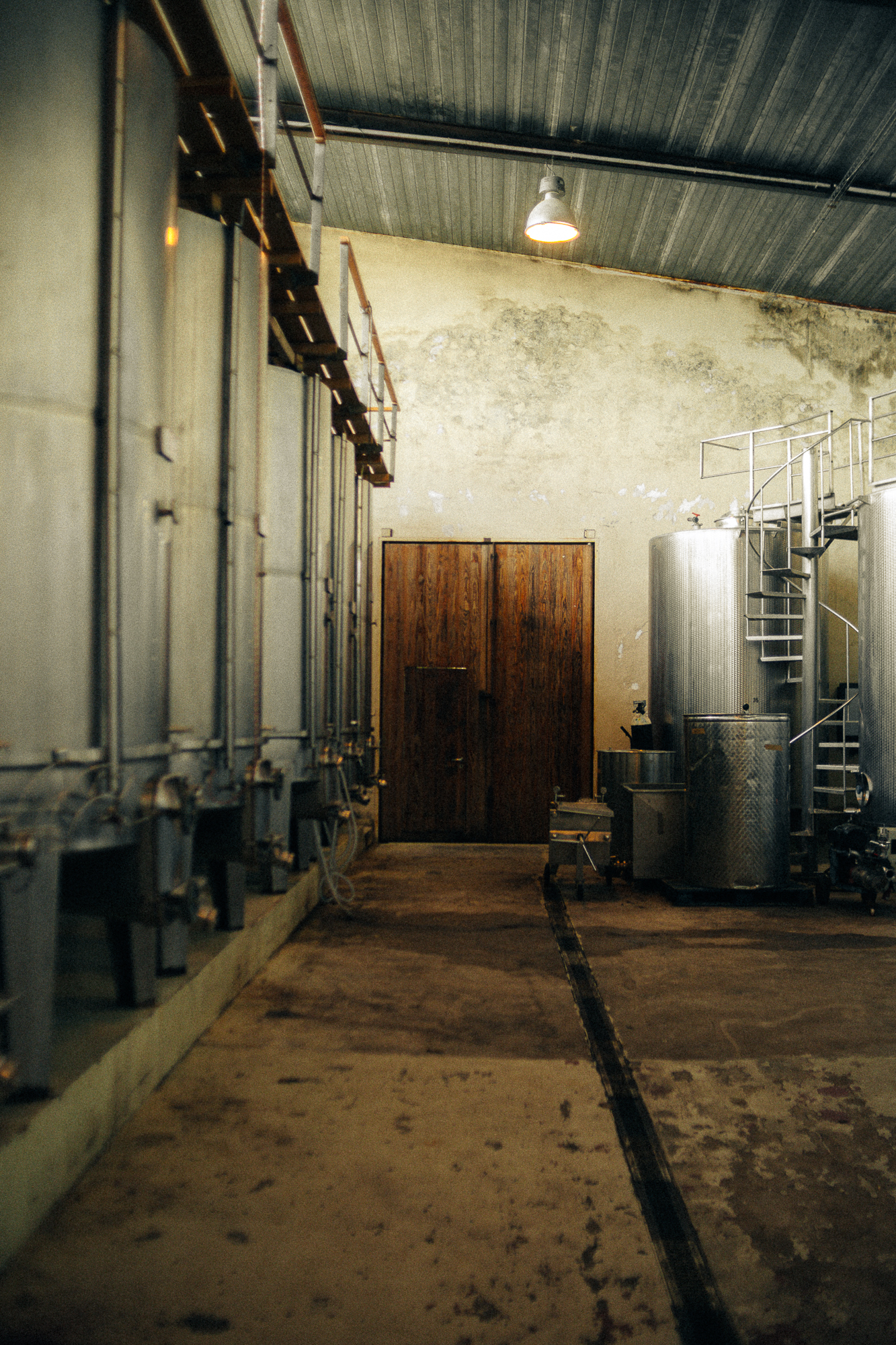
That decision sums up the soul of the project: they chose to hold two recoveries at once — the recovery of ancient grape varieties and the recovery of ancient winemaking methods — not as decoration, but as a working tool. As if the past wasn’t there to be displayed, but to work alongside the present.
What I take from that meeting is a simple idea: when someone chooses a slower path — recovering grapes, recovering method, testing, failing, adjusting — they’re not trapped in the past. They’re protecting diversity, identity, authenticity, and future in a time when almost everything pushes toward standardization.
And I left with a question I like to keep close (and I’ll leave it here too): what have we abandoned out of convenience — that might simply be sleeping, waiting for us to find the courage to return?